
Swan Song
A brother’s account of Diana, from the Spencer childhood to the marriage, the work, and the glare.
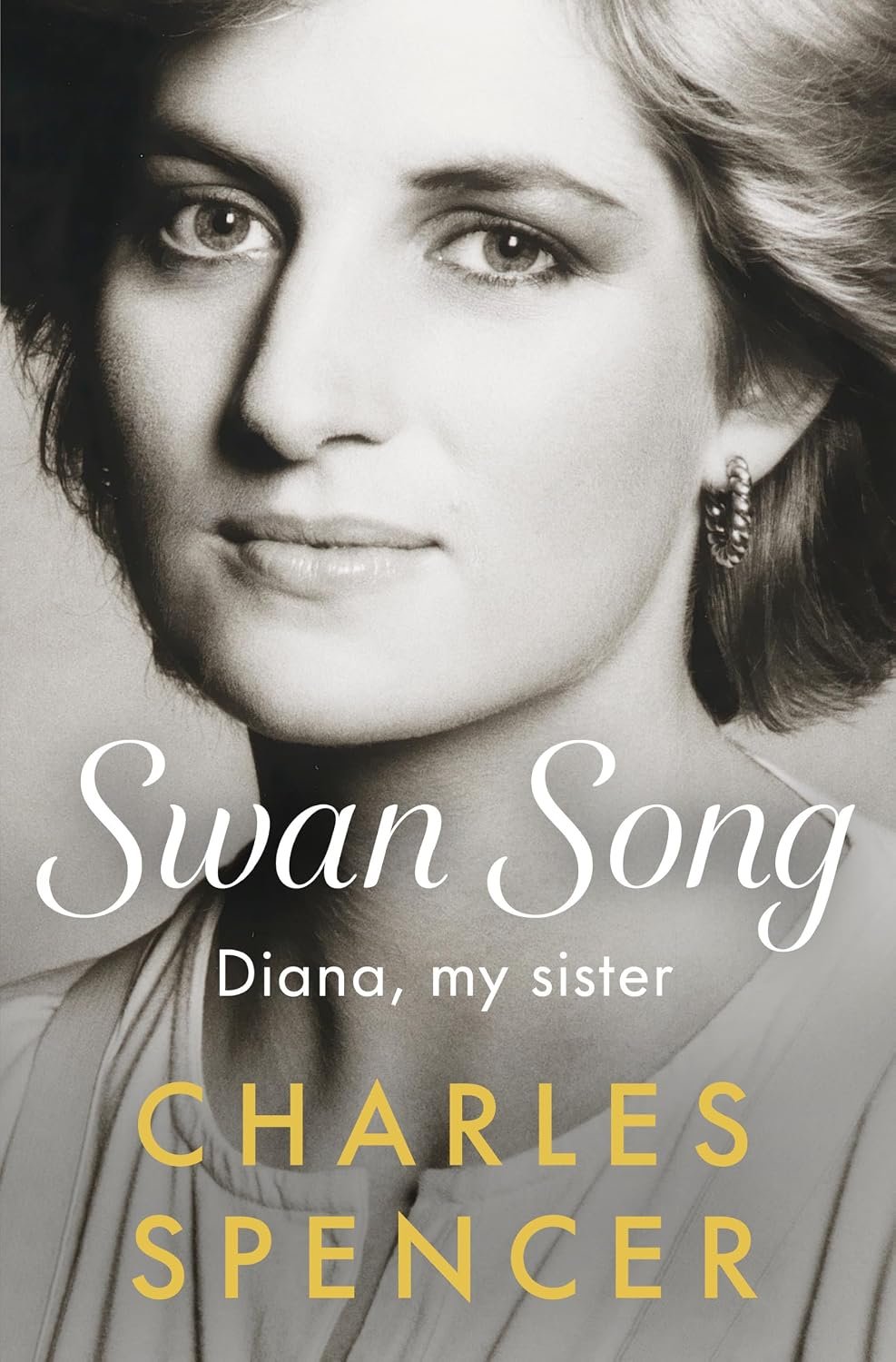
Charles Spencer’s memoir of his sister Diana.
Swan Song: Diana, my sister is Charles Spencer’s memoir of his sister, Lady Diana Spencer, later Princess of Wales. Michael Joseph published the 384-page book in the United Kingdom on September 22, 2026, ahead of the thirtieth anniversary of her death. Spencer has said he wrote his own memories because he was tired of reading other people’s versions, and that he wanted to speak about her as he did in the 1997 funeral eulogy, in an openly positive way. The book is a brother’s record, not a palace history.
A sister, told by the brother
What the memoir sets out to hold
The public account of the book runs from the Spencer childhood to the marriage and the years of scrutiny. It includes the family estate, the parents’ divorce, and the early education. It includes Diana’s marriage to the then-Prince Charles, her rise, her humanitarian work, and the press around her private life. Those are the rooms the memoir says it will enter. A reader looking for a brother’s sequence, rather than a reporter’s, is the reader the book is built for.
Spencer has made specific claims in the book, as reported from it. He believes Diana showed key ADHD symptoms in childhood and probably also had dyslexia. He writes that she tried to end the engagement after finding a bracelet bought for Camilla, and that she told a friend the groom had said, the day before the wedding, that he was happy to marry her but was not in love with her. Those are his reported allegations, not findings this feature can confirm. They are part of what the memoir is willing to say.
The book is translated into twelve languages, on the published account. The UK date is September 22, 2026. ISBN 9780241825594. The anniversary it sits ahead of is August 2027. The timing is part of the object. A brother publishing before a thirtieth year is making a claim on the memory.
A eulogy with chapters
Spencer delivered the eulogy at Westminster Abbey in 1997. The memoir is the long form of that impulse, by his own account: speak for her, positively, from inside the family. A eulogy is one afternoon. A 384-page book can include the divorce of the parents, the school years, and the marriage. It can also include the anger. Reports from the book mention explosive outbursts. The positive aim and the difficult scenes are both in the public description.
The title, Swan Song, is a last-word title. It fits a book written decades after the death, by the sibling who gave the funeral address. It does not mean the book is only an ending. The childhood is the start. The marriage is the middle the world already thinks it knows. Spencer’s stated reason for writing is that much of that known middle is built on untruths. The book is his correction.
This feature does not adjudicate the bracelet, the engagement, or the medical suggestions. It records that the memoir makes them. A reader who wants the brother’s file, including the claims, is who the book is for.
Who it is for
The book is for a reader who wants Diana from the Spencer side of the door. It is a poor fit for a reader who wants a neutral briefing on the royal marriage. The author has said he is not neutral. He is a brother who has decided to write the version he can stand.
Penguin Random House is the group. Michael Joseph is the UK imprint. The listing on this row is the Spencer memoir. The subject is the sister. The limit of this feature is the published account of what the book contains, not a reading of the 384 pages.
I have not read the chapters. The verified offer is the childhood, the marriage, the eulogy’s afterlife, and the claims he chose to put in print.
More Journal stories are on the Journal, and other book articles are collected in Book Reviews.
About the book.
Michael Joseph published Swan Song: Diana, my sister on September 22, 2026, a 384-page memoir. Charles Spencer writes about his sister’s childhood, marriage, public work, and the press, and he includes claims about the engagement and her schooling.
A short note
I like that the book is a brother’s file rather than another outside life. The part worth opening is the childhood next to the engagement: the estate, the divorce, the bracelet, the day-before-the-wedding sentence he says she heard. Spencer fits the book because he is the sibling who already spoke for her once, in the abbey. I have not read the chapters. The family door is the part I would hand someone first.
This is a sponsored MarketAnyBook book feature. It is a promotional editorial based on the listing and verified public information, not a full-book review. Book links may be sponsored or affiliate links.
Found a book worth opening?
Books worth discovering. Authors worth knowing.
Return to the Journal →