
Voices From Hell
A quiet man follows an inexplicable sound into a dangerous mystery that changes what he believes.
Books worth discovering. Authors worth knowing.
Sometimes a single unexplained noise can make an entire familiar world feel unsafe.
A supernatural suspense premise built around Jesse Owens, a strange sound, and escalating danger.
The sound that breaks an ordinary life Jason Park’s Voices From Hell begins with a disturbance that could fit inside a single sentence: Jesse Owens hears a strange sound he cannot explain. The published synopsis establishes that Jesse has lived a quiet, predictable life, and that this sound draws him toward an investigation whose danger steadily closes in. The premise does not name the sound’s source, reveal the mystery’s solution, or provide a catalogue of supernatural creatures. That withholding is part of its appeal. A normal environment becomes unfamiliar through one sensory detail, and the protagonist has to decide whether investigating the anomaly is worth what he may discover.
This is a recognizable but effective structure for a supernatural suspense story. The initial disruption is small enough to be doubted. A person might rationalize it, dismiss it, or search for a mundane explanation. Once the sound persists or seems connected to something larger, ordinary habits become insufficient. The synopsis promises that Jesse will question what he previously believed, suggesting that the central mystery matters to his understanding of the world as much as to his immediate survival. The full book supplies the particulars; the public description makes the tension legible without revealing them.
Suspense built through hearing Fiction often places its greatest emphasis on what characters can see: a shadow in a corridor, a figure at a window, a message left in plain sight. A sound is different. Hearing establishes that something has happened without necessarily showing where it happened or what caused it. Direction can be hard to judge. Silence may feel threatening after a repeated noise stops. Voices can imply intention even when their words are unclear. The book’s premise therefore offers a particularly flexible source of unease, one that does not depend on describing an elaborate monster.
The title, Voices From Hell, sharpens the reader’s expectations toward dread and possible supernatural explanation. But a title is not evidence of a literal journey to a particular afterlife; the verified summary does not establish that. The most accurate way to approach the novel is as a thriller advertised around an unexplained auditory disturbance, with a dark title that encourages ominous possibilities. That distinction lets a reader enjoy the ambiguity rather than enter with an invented map of the plot.
Jesse Owens as an unlikely investigator Jesse is introduced as an ordinary person, not a trained detective or paranormal professional. That gives his decision to pursue answers an immediate personal dimension. He has a life worth preserving, and the mystery threatens its predictability. Stories of accidental investigation often work because the protagonist lacks the resources of an expert. He may need to learn how to judge a clue, recognize a pattern, or decide whom to trust while the consequences of error become more serious. These are possibilities inherent in the premise, not claims that the book depicts any particular investigative technique.
The published description says Jesse begins to question everything he thought he knew. That is a larger promise than solving a puzzle. It suggests a threat to the assumptions that organize daily life: what is possible, which experiences can be trusted, and whether ordinary explanations are sufficient. The audience is positioned to make that journey of uncertainty alongside him. His initial normality makes the shift accessible because readers can imagine how a familiar house or street might suddenly feel wrong after one inexplicable event.
The supernatural thriller’s balancing act Suspense rooted in the unknown faces a delicate problem. Reveal too much, and dread turns into a straightforward confrontation. Explain too little, and readers may feel the mystery is withholding information without purpose. Voices From Hell advertises an investigative arc, which implies that new understanding will matter even if the full nature of the answer remains concealed in the listing. The reader’s interest can rest on both questions at once: What does Jesse hear, and why does learning the answer put him at risk?
The book is listed by retailers within supernatural and suspense-thriller categories. Those classifications are helpful without requiring an assumption about exact subgenre mechanics. It may use eerie atmosphere, personal danger, unsettling discoveries, or a revelation about the world Jesse occupies. The published synopsis confirms a sound, an investigation, and approaching danger; it does not certify specific creatures, locations, or scenes. That is more than enough to identify the audience while preserving the surprise of the narrative.
An ordinary life transformed by attention One of the unsettling ideas behind auditory horror is that nothing in the visible world has to change. A room can look identical while one noise alters a person’s relationship to it. Jesse’s predictable existence creates the baseline against which the mystery becomes threatening. The same routine that once offered comfort may become frustrating when it prevents him from investigating, or fragile when the investigation intrudes. A story built this way can encourage readers to pay attention to small details they might normally ignore.
There is also a human dimension to living with an experience others may not understand. Someone who hears an unexplained sound may fear being dismissed, especially before gathering evidence. The synopsis does not specify Jesse’s relationships or whether anyone doubts him, so those possibilities should not be mistaken for documented scenes. They nevertheless help explain why the premise resonates: an unexplained sensation challenges the boundary between private perception and shared reality. The desire to establish the truth becomes an emotional problem as well as a logical one.
Darkness without an invented mythology The title’s reference to hell can evoke judgment, torment, or hidden evil. Those associations shape atmosphere, but they should not be treated as confirmation of the book’s theology or supernatural system. Marketing language often reaches for a vivid image that describes the intensity of fear more readily than its literal mechanics. Readers who enjoy metaphysical mysteries may find the suggestion enticing. Those looking for a specifically religious horror novel would be wise to inspect the full book listing rather than rely on the title alone.
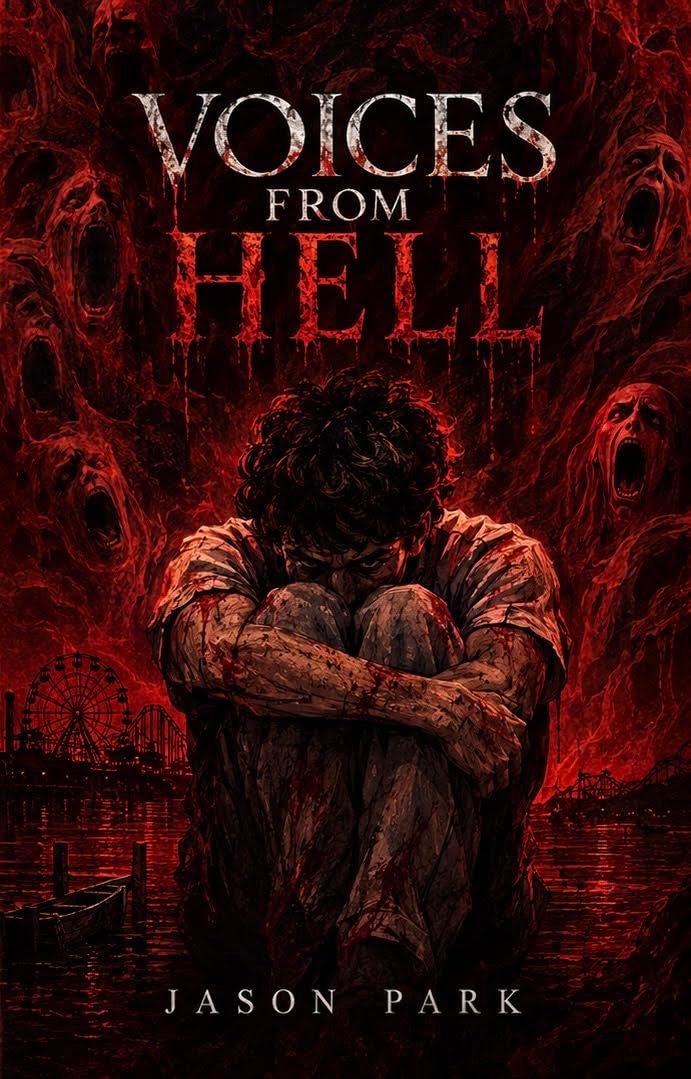
The same caution applies to the cover imagery, which uses a dark visual tone. Cover art can communicate mood before a synopsis discloses details. It is evidence of presentation, not a transcript of the novel’s events. By keeping presentation and verified premise separate, this feature lets the book’s own narrative deliver its revelations. The reader can approach the mystery without carrying a false expectation about what every pictured shape or implied voice must mean.
Who should consider this story? Readers who like ordinary protagonists pulled toward inexplicable events, sensory unease, and danger that expands as questions accumulate are a natural audience. The book is likely less suitable for readers who want a transparent solution stated up front or a predominantly humorous adventure. Retailer descriptions identify Jesse and the strange sound consistently, giving a solid basis for its supernatural-thriller positioning. They do not provide detailed content warnings, however, so anyone sensitive to intense fear or violence should check additional information before selecting it.
The distinction between a preview and a review matters especially with a mystery. An editorial article can accurately describe the starting point and discuss why it creates suspense, but it cannot judge the fairness of the clues or satisfaction of the ending without firsthand reading. The story’s payoff belongs to the book itself. This preview therefore avoids ratings, invented turning points, and claims about the final answer, while identifying the literary mechanics that make its confirmed premise worth investigating.
A final recommendation Consider Voices From Hell if you like supernatural suspense that begins with a small, inexplicable event and asks an ordinary person to follow it toward larger danger. Jesse Owens’s quiet life and the mysterious sound provide a clear entry point; the unknown nature of the threat supplies the tension. The strongest reason to explore the book is curiosity about how that disturbance unravels his assumptions. Readers needing a detailed supernatural mythology before committing may find the available public description too guarded. For mystery-minded readers, that same restraint can be an invitation to discover the answer on the page.
About the book.
Retailer synopses identify Jesse Owens as an ordinary man whose life changes when he hears a mysterious sound and begins investigating it.
Sponsored MarketAnyBook book feature. Promotional placement does not imply a firsthand reading, rating, independently verified endorsement or confirmation of every advertised claim. Descriptions and interpretive commentary are distinguished; the separate Python publisher will resolve the public WordPress cover URL and media ID.
Found a book worth opening?
Books worth discovering. Authors worth knowing.
Return to the Journal →