
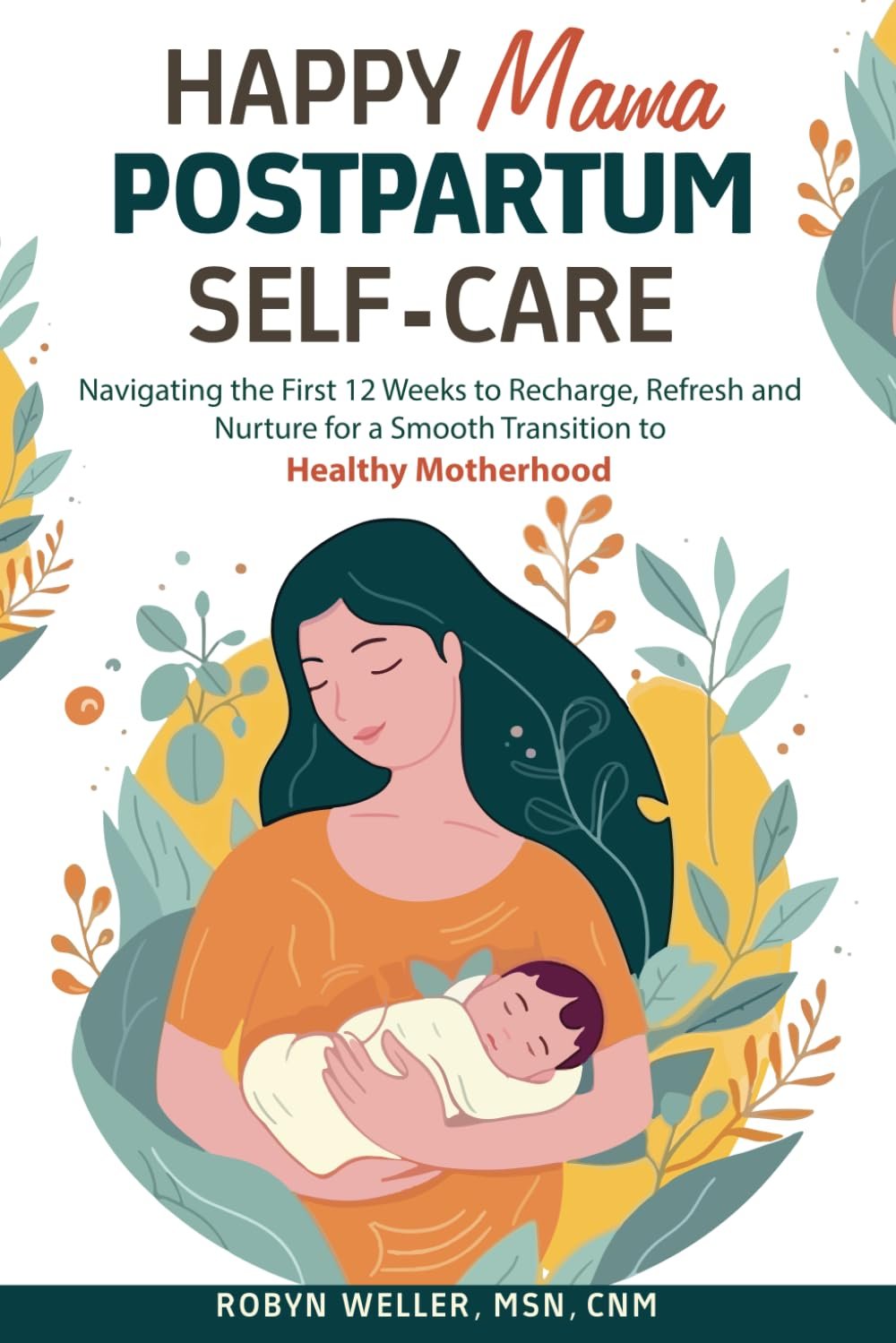
Happy Mama Postpartum Self-Care
Midwife Robyn Weller organizes the first twelve postpartum weeks around recovery, connection, realistic goals and practical self-care.
Books worth discovering. Authors worth knowing.
Midwife Robyn Weller organizes the first twelve postpartum weeks around recovery, connection, realistic goals and practical self-care.
Robyn Weller’s Happy Mama Postpartum Self-Care focuses on the early weeks after childbirth, a period often depicted as joyful but lived through many kinds of physical, emotional and practical adjustment.
Twelve Weeks That Rarely Follow a Script
Robyn Weller’s Happy Mama Postpartum Self-Care focuses on the early weeks after childbirth, a period often depicted as joyful but lived through many kinds of physical, emotional and practical adjustment. The publisher description organizes the guide around the first twelve weeks and addresses body image, relationships, recovery, bonding and manageable personal goals. Weller’s background as a nurse-midwife and mother gives her a professional and personal reason to pay attention to new parents’ needs. The central appeal is not the promise that every day will feel calm or that one routine will work for everyone. It is the acknowledgement that caring for a newborn changes the distribution of time, energy and attention. Amid feeding schedules, interrupted sleep and the expectations of others, it can become difficult for a new mother to recognize her own needs as legitimate. A book that makes space for those needs enters an important conversation about sustainable family care.
Care That Includes the Caregiver
The word self-care can sound like a luxury when even a short stretch of uninterrupted rest feels unavailable. Weller’s description instead situates it inside the work of caring for a baby and navigating the recovery that follows birth. That is a more useful framing than a list of expensive products or an idealized routine. The first practical question is often not what a new parent ought to buy, but what support is actually available, what can wait and what expectations can be softened. Weller presents tools for building confidence and realistic family goals. Readers can approach those prompts as invitations to notice their circumstances rather than universal tests of good parenting. A parent with help at home, a parent recovering from surgery and one returning rapidly to paid employment may have very different needs. The strongest interpretation of postpartum self-care keeps those differences visible and avoids converting flexibility into another demand.
Recovery Has Both Physical and Emotional Dimensions
The guide’s advertised subjects include coping with physical discomfort and emotional strain after birth. These experiences can overlap, but they should not be reduced to one predictable trajectory. Persistent pain, concerning bleeding, fever or severe mood changes may need evaluation by a qualified professional rather than an inspirational paragraph. A trade book can help readers formulate questions and normalize seeking support, but it is not a personalized treatment plan. Weller’s professional profile and public interview also discuss her own experience of postpartum depression, which helps explain why emotional wellness is central to her work. That personal history deserves respect without treating it as a universal model. Some mothers feel immediate connection and confidence; others need time, recovery and more help than they expected. A compassionate resource should widen room for those experiences, not rank them by how quickly a parent returns to a previous sense of self.
The Body After Birth
Weller’s publisher highlights body acceptance, exercise and nutrition as parts of the discussion. Those topics are easily overwhelmed by messages about returning to a pre-pregnancy appearance. The more humane question concerns health, comfort, mobility and the recovery needs of an individual body. No single timeline, exercise plan or dietary suggestion will fit every postpartum experience, and some recommendations require adjustment for medical conditions and the type of delivery. Readers should therefore treat the book as general support and bring specific questions to their clinicians. The emotional stakes matter as much as the practical ones. When a person is told that a changed body represents failure, even basic self-care can become another form of self-criticism. A guide that invites a kinder relationship with one’s body can be useful precisely because it challenges that expectation, although its effectiveness cannot be guaranteed by a retailer blurb.
Partnership, Family and the Distribution of Work
Another advertised strand is sustaining relationships with a partner while learning a new family rhythm. These conversations are not simply about finding time for romance. They can involve who notices needed supplies, who protects rest, who manages appointments and how responsibilities change when one parent is recovering. Weller’s book describes strategies for maintaining connection during that adjustment. An attentive reader might bring to those chapters practical questions about communicating fatigue without guilt and asking for help without turning every request into a debate. Families with one parent, same-gender parents, multigenerational households and other arrangements may need to adapt advice written around a particular couple. The underlying insight is broader: someone recovering from childbirth should not have to perform limitless care without receiving care in return. Successful arrangements look different from home to home, which is why cooperation and realistic expectations matter more than an idealized script.
Bonding as a Relationship, Not a Deadline
The synopsis identifies several baby-bonding principles, but they should not be read as a checklist that determines whether a parent is doing enough. Bonds develop through many small forms of attention over time, and the experience of connection can vary after difficult births, illness, sleep deprivation or overwhelming change. Weller’s framing offers a way to consider everyday interaction as meaningful without requiring each moment to be magical. Holding, observing and responding to a baby can form part of family life while adults continue to need food, rest and support. A reader may find comfort in the idea that presence matters more than a flawless performance. Still, a book description cannot establish precisely how every suggested activity works for every family. New parents deserve accurate guidance, opportunities to ask questions and freedom from unnecessary comparison when the realities of their own household do not match promotional images of effortless happiness.
The Midwife Behind the Book
Weller’s background is not incidental marketing decoration. Public biographical material identifies her as a certified nurse-midwife with extensive experience in women’s health, and an interview published by Frontier Nursing University records why she wanted to extend postpartum support beyond clinical appointments. She has spoken about the need to assist mothers and families during a demanding transition. That helps readers understand the book’s stated combination of reassurance and practical counsel. Professional experience can make a guide more credible, but it does not mean every passage can substitute for up-to-date clinical advice tailored to an individual’s situation. Readers can reasonably value Weller’s perspective while checking any medical recommendation against their clinician’s guidance. The goal of a feature is to position the resource accurately, not to certify outcomes the article has not measured or present a publisher’s self-care promises as clinical evidence.
A Companion Rather Than a Prescription
Happy Mama Postpartum Self-Care may be useful to expectant parents planning their support networks, new mothers looking for a steadier approach to recovery, and relatives who want to understand why help matters. Its first-twelve-weeks structure can give shape to a period when one day often blends into the next. At its best, such a guide can encourage a person to take their own well-being seriously without turning it into another demanding project. Readers should remain alert to the difference between suggested practices, the author’s personal experience and medical guidance that requires individual assessment. The book cannot guarantee freedom from postpartum depression, relationship strain or physical complications. It can, however, open a conversation about self-image, care, bonding and the importance of asking for support before exhaustion becomes a crisis. That is a worthy reason to discover a resource centered on the caregiver as well as the child.
About the book.
Postpartum self-care and early parenting guide. Midwife Robyn Weller organizes the first twelve postpartum weeks around recovery, connection, realistic goals and practical self-care.
Editorial book feature, not paid sponsorship. Independent research-based commentary based on publicly available book details; not a claim of first-hand full-text review. The designated cover placeholder will be resolved by the owner’s publishing automation. This article does not provide individualized medical or mental-health advice.
Found a book worth opening?
Books worth discovering. Authors worth knowing.
Return to the Journal →