
The Wine Region of Rioja
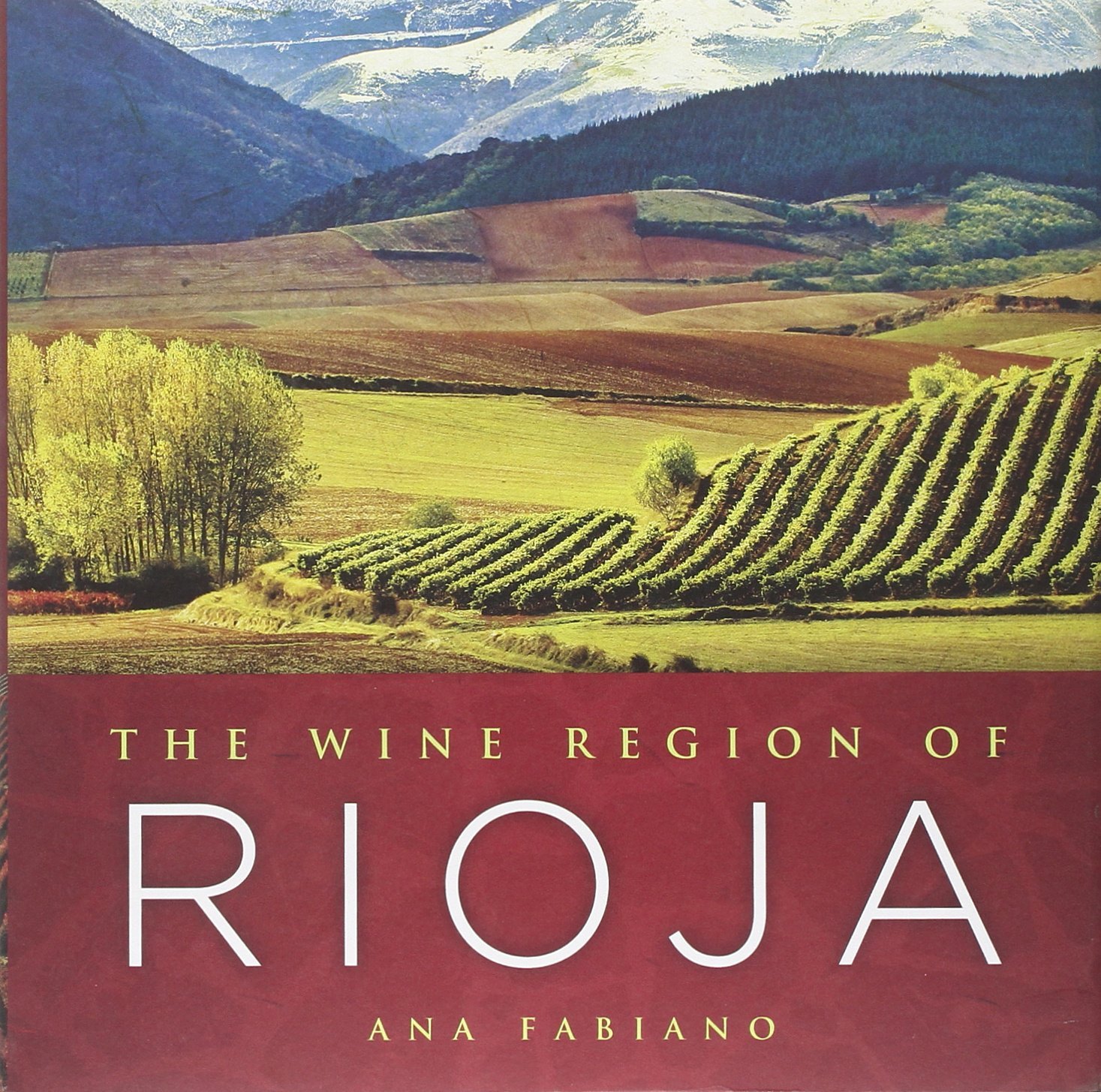
Ana Fabiano’s illustrated study of Rioja brings geography, wine-making families and regional history into the same frame.
Books worth discovering. Authors worth knowing.
Ana Fabiano’s illustrated study of Rioja brings geography, wine-making families and regional history into the same frame.
Original editorial perspective, grounded in the identified book and edition.
A wine region is not only a collection of bottles. It is a landscape of vineyards and towns, a record of decisions made across generations, and a vocabulary through which people describe place, work and taste. Ana Fabiano approaches Rioja with that broader ambition in The Wine Region of Rioja. The edition linked by the MarketAnyBook queue corresponds to the 2012 Sterling book, a richly illustrated account whose published description draws on interviews with local experts and winemaking families, historical research, and the author’s long engagement with the region. The interest is not simply in selecting a wine. It is in learning how geography, culture, agriculture and memory become part of what a region means.
Rioja as a living place rather than a label
People often encounter the word Rioja first on a bottle, perhaps alongside unfamiliar terms that seem to function as guarantees of style or quality. A regional name can become a shorthand, useful for shopping but too compressed to explain the place behind it. Fabiano’s book takes the opposite approach. Its publisher describes a study of the area’s valleys, bodegas, grape varieties, producers and history, with visual material that gives the account a strong sense of setting. That breadth encourages a reader to understand the label as the visible edge of a complicated cultural and agricultural world.
There is value in slowing down at this point. Wine is frequently discussed as though it were detached from the work and communities that make it possible. Yet vineyards require long-term decisions about land, varieties, labour and changing conditions. A regional history adds another dimension: familiar practices may have developed from local knowledge, economic pressures or exchanges across generations. The book’s stated research methods make it reasonable to expect sustained attention to those connections, though individual interpretations and historical claims deserve checking against the actual pages.
The patient work of gathering a regional story
The edition’s description highlights the author’s archival reading, interviews and conversations with generations of winemakers. Those are important choices of method because a region cannot be adequately represented by one celebrated producer or one picturesque scene. Records help situate events across time; local testimony contributes experiences and perspectives that may not appear in official summaries. Together, they can create a portrait that feels inhabited rather than merely advertised. The appeal for a reader lies in the possibility of moving from famous labels toward the people and practices behind them.
Sources of that kind also raise questions about representation. Whose voices are foregrounded? Which kinds of labour receive attention, and which remain less visible? A richly illustrated book can tempt the eye toward buildings and landscapes, but the history of a place is also the history of those who sustain it. The publicly available descriptions promise interviews and regional detail, not a complete census of perspectives. An attentive reader can appreciate the scope while keeping an eye on what a single author and volume can reasonably include.
What geography adds to a glass
Topography and climate are more than decorative information in a study of a wine region. They shape how agriculture is practised and how growers discuss the qualities of particular locations. The book’s advertised attention to valleys and grape varieties encourages readers to think about difference within Rioja rather than reducing the whole area to one uniform identity. No reader needs to become an expert in soil science to find this engaging. The central idea is accessible: a regional name contains internal variety, and local distinctions may matter as much as the broad reputation of the area.
That way of looking also challenges easy consumer language. Descriptions that present one region as having a fixed personality can be memorable, but they risk overlooking changing techniques and diverse producers. Fabiano’s stated interest in particular bodegas and families suggests room for a more detailed account. The book is not a substitute for current production statistics or contemporary travel conditions, especially because the linked edition dates to 2012. Its historical and visual perspective remains a distinct reason to read it.
The relationship between tradition and change
Wine regions often carry a strong sense of inheritance. Buildings, family names and terminology can suggest continuity across generations. Yet traditions are not frozen. Farmers adapt, new producers enter the field, tastes shift and the economics of wine change. This tension between keeping faith with a place and making room for innovation is among the most interesting questions a regional book can raise. Fabiano’s later author materials explicitly discuss Rioja in terms of heritage and a modern future, though those updated details belong to a newer edition and should not be silently attributed to the 2012 version.
For the reader of the original edition, the more defensible observation is that the publisher presents a blend of history and producer information as it stood during that period. That makes the volume a snapshot as well as a guide. Some establishments and production practices may have evolved since then. A historically minded reader can treat this not only as a limitation but as a reason to compare the book with more recent sources. What changes quickly, and what forms of regional identity seem durable despite changes in fashion and industry?
Visual history and the pleasure of looking closely
Descriptions of the book emphasise its illustrated presentation. Images can make cultural geography legible in a way that a list of facts cannot. A vineyard on a hillside, the shape of an old building or the relationship between a settlement and the surrounding terrain can help a reader grasp the physical scale of decisions discussed in prose. Illustrations are not proof of every historical argument, and beautiful photographs can sometimes conceal less picturesque realities. Still, visual attention belongs naturally to a book that wants its readers to imagine being in a place rather than only studying an industry.
That sensory quality is useful even for people who have never visited Spain. A thoughtful regional book can be a form of armchair travel, supplying points of recognition should a journey eventually become possible. It can also deepen an ordinary encounter with a product from the region. Instead of treating a label as isolated information, the reader begins to connect it with landscapes, stories and the labour of production. That enlargement of perspective may be the book’s most attractive promise.
Food, hospitality and everyday life
The 2012 edition’s public description mentions a food section, including recipes and pairing ideas. That inclusion helps keep the subject from becoming a catalogue for collectors alone. Wine has long been discussed in relation to meals, gatherings, markets and hospitality, and a regional book has room to show how those practices sit alongside agriculture and commerce. A pairing suggestion is not a commandment or a universal measure of taste. It is one way to explore how flavours and cultural habits are experienced together.
Readers should distinguish cultural information from a prescription to consume alcohol. This article is an introduction to a nonfiction book about a place and its industry; it is not encouragement to drink, a claim about alcohol’s health benefits, or purchasing advice for alcoholic beverages. Someone interested in the region’s architecture, photography, food culture or rural history can find reasons to read without treating tasting as a requirement. The book’s advertised scope leaves room for that wider audience.
How to use a book tied to one edition
The exact MarketAnyBook purchase URL identifies an older Sterling edition, while Fabiano’s own current website also presents a second edition with expanded coverage. That distinction should be preserved. Terms, place histories and longstanding cultural patterns may remain useful, but readers seeking the newest producer profiles, regulations, restaurant information or visitor arrangements should corroborate them with contemporary sources. Linking directly to the supplied ISBN respects the original queue’s edition choice rather than assuming the newer book is identical.
Edition accuracy matters especially in reference-oriented nonfiction. A new edition can reorganise content, add photographs or describe businesses that did not exist when an earlier version was printed. Treating all versions as interchangeable would weaken a supposedly careful feature. The right editorial approach is to recommend the 2012 volume for its documented historical and illustrated scope while recognising that later materials can deepen and update the picture. That honesty helps readers decide which kind of information they actually need.
Who may want to read it
The Wine Region of Rioja should appeal to readers who enjoy cultural travel, regional history, food writing and the relationship between agriculture and identity. Its illustrated format and publisher-described interviews make it particularly promising for people who prefer a rich portrait of place to a quick list of buying recommendations. Wine students or enthusiasts may value the account of grape varieties, bodegas and producers, while readers with no special interest in tasting can approach it as a book about landscapes and people. Because this is the 2012 edition, anyone planning travel or researching current wine rules should cross-check newer information.
Ana Fabiano is the credited author, and the linked ISBN is associated with Sterling’s 2012 English-language edition. The public description attributes years of research and regional engagement to her. That is enough to ground a careful introduction, not to declare the book flawless or all-encompassing without having read it. Its most interesting idea is that a famous region becomes more intelligible when we stop asking only what it produces and begin asking how a place, over time, makes its identity visible.
About the book.
Ana Fabiano’s illustrated study of Rioja brings geography, wine-making families and regional history into the same frame. The original queue purchase URL points to the intended edition.
Independent editorial feature: this is an original research-based introduction, not a firsthand review of the complete book. The supplied purchase URL is preserved, while the WordPress cover image will be supplied later by the owner’s publisher. Details unavailable in the cited sources have not been invented. Bibliographic claims refer to the linked 2012 edition; a newer second edition exists.
Found a book worth opening?
Books worth discovering. Authors worth knowing.
Return to the Journal →