
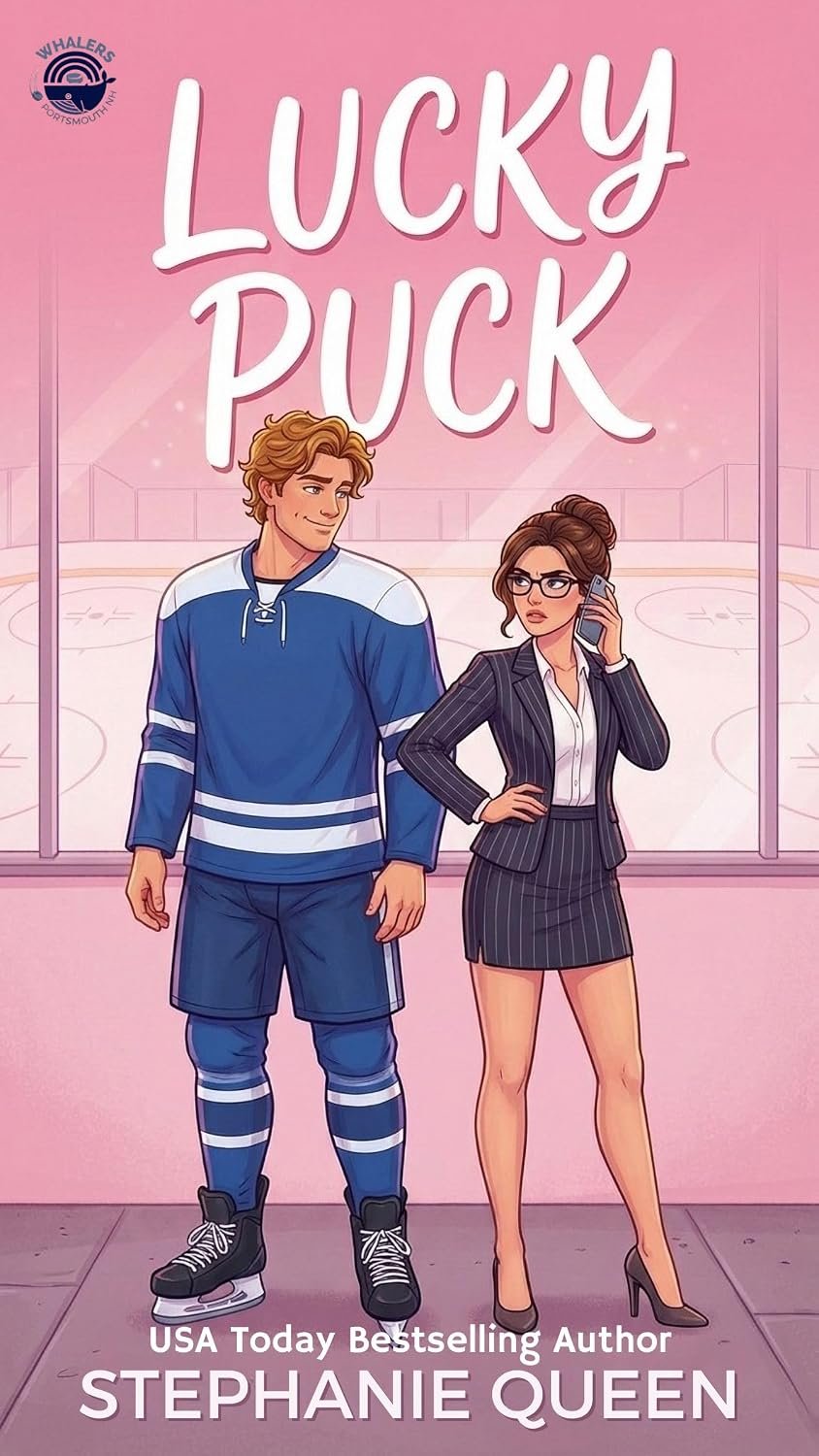
Lucky Puck
In romantic comedy, a disastrous first scene can reveal the secret shape of a character’s life. Stephanie Queen’s Lucky Puck introduces Brody, a rising hockey player.
Books worth discovering. Authors worth knowing.
In romantic comedy, a disastrous first scene can reveal the secret shape of a character’s life. Stephanie Queen’s Lucky Puck introduces Brody, a rising hockey player.
Evidence-conscious literary criticism, not a claim of firsthand full-text reading.
In romantic comedy, a disastrous first scene can reveal the secret shape of a character’s life. Stephanie Queen’s Lucky Puck introduces Brody, a rising hockey player, in a Las Vegas hotel room without his belongings or clothes and with an urgent professional commitment approaching. His resource is his phone; his rescuer is Bianca Brooks, the capable sports agent whose authority and attraction complicate their working relationship. The author’s description promises a fake-marriage mishap, a Vegas weekend and the consequences of trying to manage an impulsive situation through an even larger fiction.
When the performance escapes the rink Brody is publicly valued for his talent on ice, but the opening puts him in a position of ridiculous helplessness. That contrast is useful romantic-comedy architecture. Professional excellence does not guarantee personal judgment, and a star athlete accustomed to applause must depend on someone whose labour usually happens offstage. Bianca’s role as agent gives the relationship an imbalance more interesting than mere opposites-attract banter: her practical authority is part of the attraction, but it may also be placed under strain by choices made in the name of romance.
The fake-marriage device works through an audience within the story. Other people must believe an arrangement the protagonists privately understand to be false. The tension grows when the couple’s own feelings become less legible than the story they have invented for outsiders. In this context, a public sports career adds special pressure. Reputation, appearances and professional obligations make private decisions unusually visible. The book’s author-supplied materials explicitly mention a Vegas fiasco and an agent turned unexpected wife; the details of how the relationship is maintained must be confirmed through reading.
Comedy needs accountability The familiar pleasure of a romantic mistake is that it rearranges ordinary rules. But in a story involving a client and a representative, the mistake cannot be entirely weightless. A capable female professional should not need to abandon her credibility to make a reckless man more appealing. A discerning reader will watch whether Bianca retains her own ambitions and ability to set terms, and whether Brody’s charm comes with some recognition of the inconvenience he creates for her.
Romance can turn a bad decision into the beginning of a good relationship. To make that transformation persuasive, attraction needs to be matched by respect. The synopsis describes Brody as vulnerable to glamour and trouble; it presents Bianca as quick-thinking and determined. Those contrasts offer obvious comic energy, but a satisfying emotional arc would do more than simply reward his impulsiveness. It would allow both characters to learn how they affect one another.
Hockey as a social world Queen places the book in her Portsmouth Whalers hockey-romance sequence. The setting brings team culture, ambition and the compressed time of an athletic career into a genre that often values private permanence. A professional sports environment can make the fantasy of lasting love feel both urgent and precarious. Readers who follow the larger series may enjoy returning faces and team dynamics, while newcomers need enough context to understand the immediate couple without studying an entire roster first.
The author labels the work steamy and positions it as a new-adult romance. That is useful reader guidance, not a measure of literary quality. Heat and humor can coexist with emotional intelligence; the key is whether dialogue, timing and character decisions give those tones room to support each other. It would be inaccurate to pronounce the dialogue sharp or the pacing flawless from a product description alone.
The peculiar economy of a public romance A celebrity athlete’s relationship is rarely just a relationship. Teammates, agents, sponsors and supporters can all have opinions about conduct that ought to remain personal. The fake marriage device turns that pressure into a comic engine: an apparently private decision must be maintained for an audience whose responses may affect professional life. The premise becomes sharper when a member of the professional team is also one half of the supposed couple. Bianca may be expected to protect Brody’s reputation even when the new difficulty threatens her own standing.
That creates a useful test of the book’s gender dynamics. An efficient woman fixing the problems of an attractive but irresponsible man is a familiar comic pattern. It can be affectionate, but it can also become a disguised demand that the woman do the emotional and logistical work while the man is rewarded for spontaneity. The public materials describe Bianca as resourceful and Brody as impulsive. A mature romantic payoff would allow him to become worthy of her trust rather than letting her competence remain the endlessly replenished source of his safety.
The architecture of the joke Romantic comedy depends on timing. A mistake must be consequential enough to matter but not so damaging that the reader withdraws sympathy. The author’s opening hotel-room scenario supplies an immediate imbalance between vulnerability and confidence, while the fake-wedding trouble raises the stakes beyond a single embarrassing day. Readers can reasonably expect this escalation to create opportunities for banter and reversal. The finished story must also know when to slow down: beneath its farcical motion, the central romance needs stillness in which desire changes into knowledge of the other person. That is the difference between a good comic setup and an emotionally lasting love story.
Who will enjoy the setup? <em>Lucky Puck</em> is aimed at readers who actively enjoy fake relationships, athletic glamour, professional friction and the escalating absurdity of a public lie that becomes private feeling. It is unlikely to be the preferred choice for someone who dislikes workplace power tensions or impulsive romantic-comedy protagonists. The setting is deliberately heightened, and its appeal rests on willingness to accept the premise rather than demand documentary realism about every agency contract.
The available author synopsis supports a clear judgment about the promise, not the execution, of this particular romance. Its strongest possible feature is Bianca’s agency: if the story allows the person who rescues the hero to remain more than his rescuer, then its improbable beginning can grow into something warm and earned. That is what readers should look for beneath the Vegas spectacle.
About the book.
The title, contributors, routing category, original retailer link and unique Drive image file were checked against the live queue. The review is based on publicly available evidence and original editorial analysis.
This is a sponsored book review. Sponsorship does not alter our standards for evidence and critical independence. This research-based critical review interprets the verified book listing and available external descriptions; it does not claim a complete reading.
Found a book worth opening?
Books worth discovering. Authors worth knowing.
Return to the Journal →