
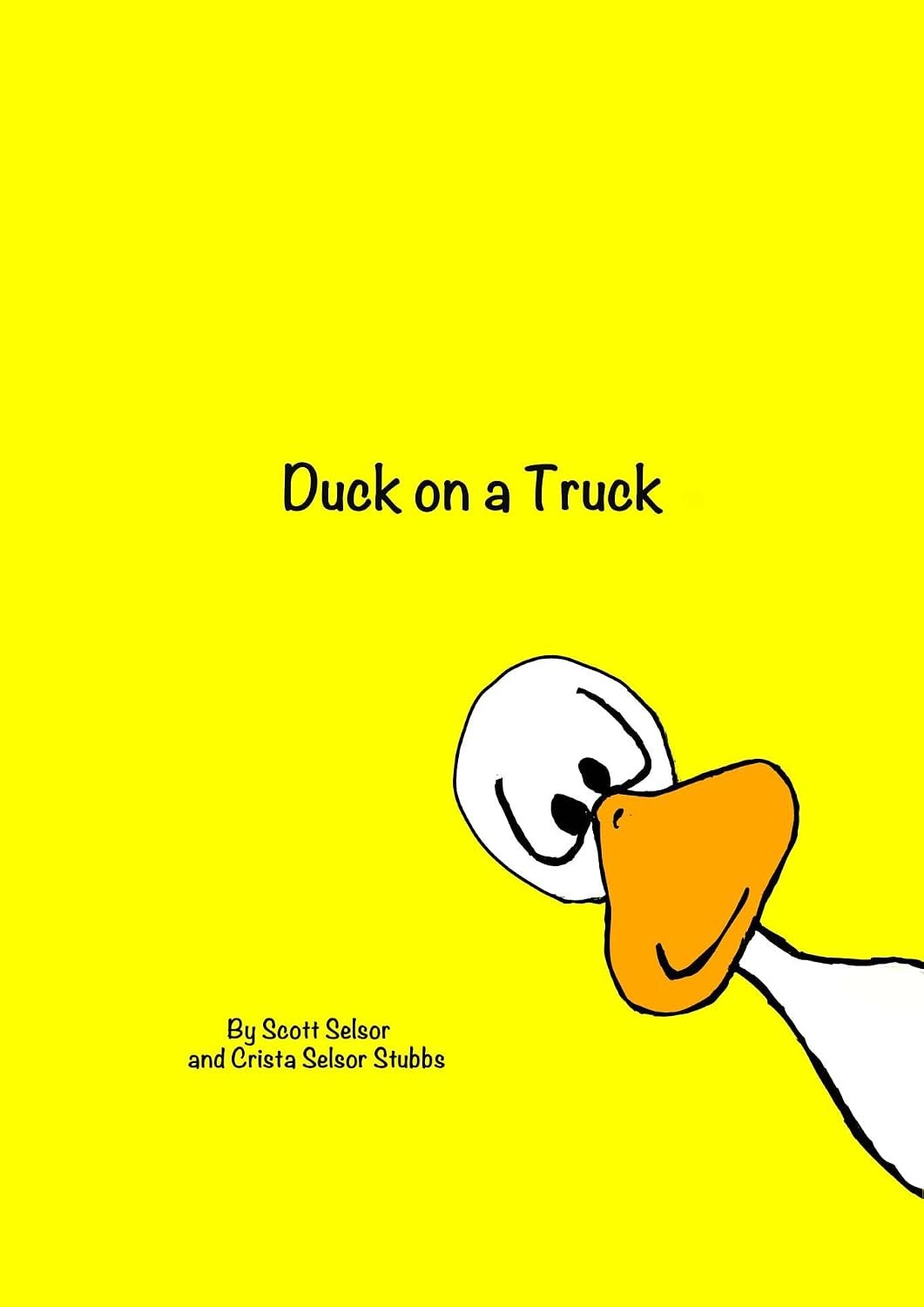
Duck on a Truck (The Copper Penny Ranch Series Book 1)
A duck on a truck is an image built for repetition, laughter and the oddity of small adventures. Scott Selsor’s Duck on a Truck, the first Copper Penny Ranch book, has a more concrete origin than…
Books worth discovering. Authors worth knowing.
A duck on a truck is an image built for repetition, laughter and the oddity of small adventures. Scott Selsor’s Duck on a Truck, the first Copper Penny Ranch book, has a more concrete origin than its playful title suggests. Bookseller descriptions identify a child learning about ducks on a farm with his mother, a rhyming illustrated story inspired by…
Considered reviews, grounded in the book’s documented promise.
A duck on a truck is an image built for repetition, laughter and the oddity of small adventures. Scott Selsor’s Duck on a Truck, the first Copper Penny Ranch book, has a more concrete origin than its playful title suggests. Bookseller descriptions identify a child learning about ducks on a farm with his mother, a rhyming illustrated story inspired by the real misadventures of animals on Copper Penny Ranch, and photographs of the animals appended to the book. Crediting photographer Crista Stubbs, the queue points to an edition where pictures are an integral part of the experience. The central pleasure promised here is the movement between invented story and recognisable animal life.
Rhyme as a contract with young listeners
Rhyming picture books have an unforgiving audience. Their words must feel natural when spoken aloud, invite anticipation without becoming instantly predictable, and leave enough space for the illustrations to contribute information. Selsor’s animal premise seems particularly suited to patterned language: children can name a duck, predict a sound and find a pleasingly absurd vehicle to animate the page. Yet rhyme alone is not an achievement. A young listener can detect the line that exists only to complete a sound, even before they can articulate the problem. Without the full text, cadence and vocabulary remain unjudged; what is clear is that the title offers a memorable oral hook and the ranch setting provides a recurring world for further stories.
From make-believe to photographic evidence
The reported photographs at the end are a distinctive feature. In many picture books, the reader must cross from fantasy back to the ordinary room where the book was opened. Real photographs create a second crossing: the ducks are no longer only drawn figures but living creatures with bodies, habitats and habits. This could deepen a child’s sense of wonder by showing that everyday farm life generates stories without needing supernatural powers. The shift also gives adults a chance to discuss which details were imagined and which were observed. Crucially, photographs can support recognition but not verify every narrated episode; a child benefits when that difference becomes part of a conversation rather than a source of confusion.
Belonging as an understated theme
The bookseller description emphasizes feeling at home regardless of one’s particular circumstances. That makes the animal comedy more than an amusing procession of mishaps. Home in a children’s story need not be a fixed building or an ideal family arrangement; it can be the experience of care, a familiar landscape or the assurance that someone will help when an adventure becomes disorienting. The mother-child pairing in the summary provides a natural frame for security and exploration. A critic should still be cautious about assuming a specific moral resolution. The material establishes a stated theme of belonging, not how individual scenes dramatize it. The best children’s stories allow that lesson to emerge from affection and action rather than arrive as a speech.
A modest adventure, properly sized
There is value in a picture book that does not mistake narrative size for emotional significance. Exploring farm animals is a large undertaking for a small child. The question of where creatures live, what makes them comfortable and what surprises can occur offers ample material for observation. Copper Penny Ranch gives the book a named setting instead of a generic “farm,” and the inclusion of real animals could make the invented incidents feel rooted. The remaining judgment concerns proportion: how effectively the book balances mischief, reassurance and photographic explanation. Its 29-page paperback listing suggests a brief read-aloud format, but different editions may vary. The artwork and page turns need direct review before making claims about the book’s finished execution.
The factual world as a source of invention
The decision to base the story on real farm ducks raises an attractive question about what adults and children mean when they call an animal “a character.” The ducks’ habits may be observed, but their intentions can only be imagined. A read-aloud that moves between anthropomorphic comedy and photographs gives families an opportunity to enjoy the fiction while returning attention to the animals themselves. Children might notice differences in size, feather pattern or movement that a simple rhyme leaves unspoken. The book’s strongest educational promise may therefore be observational rather than instructional: it can encourage a child to look again at living creatures that at first seemed interchangeable. Yet this potential depends on the clarity and placement of the photo material, which no description can substitute for seeing.
An adult’s role in the reading
In the advertised mother-child journey, the adult is not simply the person who reads the text aloud. She helps the young protagonist notice the animals and navigate a place that is full of surprises. That gives the book a quietly relational frame: discovery can be shared rather than performed as independent mastery. A parent reading Duck on a Truck may also be able to ask what makes a farm safe for animals, how ducks behave differently from pets, and whether the child has seen similar comic mishaps. Such conversations should grow from genuine curiosity, not turn the story into a worksheet. A gentle narrative about wonder is allowed to stay playful. Its value may lie in giving an adult and child a common object of attention long after the joke has been understood.
Who will value this book
Duck on a Truck looks well matched to young listeners who enjoy animals, playful language and a chance to compare drawings with pictures of real creatures. It could work as a shared read-aloud before a farm visit or a conversation about caring for animals. Parents who want dense science content will need a separate nonfiction book; this is advertised first as a story of delight and belonging. The main reservation is evidentiary rather than hostile: the readily available descriptions establish the premise and visual extra but not the quality of rhyme or the precise narrative ending. A physical preview would settle those questions more fairly.
Scope of this assessment
This is a research-based editorial review drawn from identified bibliographic, author and publisher sources. It considers the work’s documented premise and the critical questions it invites, without claiming a complete firsthand reading. No unverified scene, character action or ending is asserted.
About the book.
An evidence-bounded critical introduction to rhyming illustrated farm-animal children’s book. Published descriptions support the stated premise; interpretations are identified as editorial analysis, not confirmed plot details.
This review concerns a book marked sponsored in the current MarketAnyBook queue. Sponsorship is disclosed, and all observations remain research-based.
Found a book worth opening?
Books worth discovering. Authors worth knowing.
Return to the Journal →