
Into the Quiet
A Christian book about stepping out of noise into solitude, silence, and stillness.
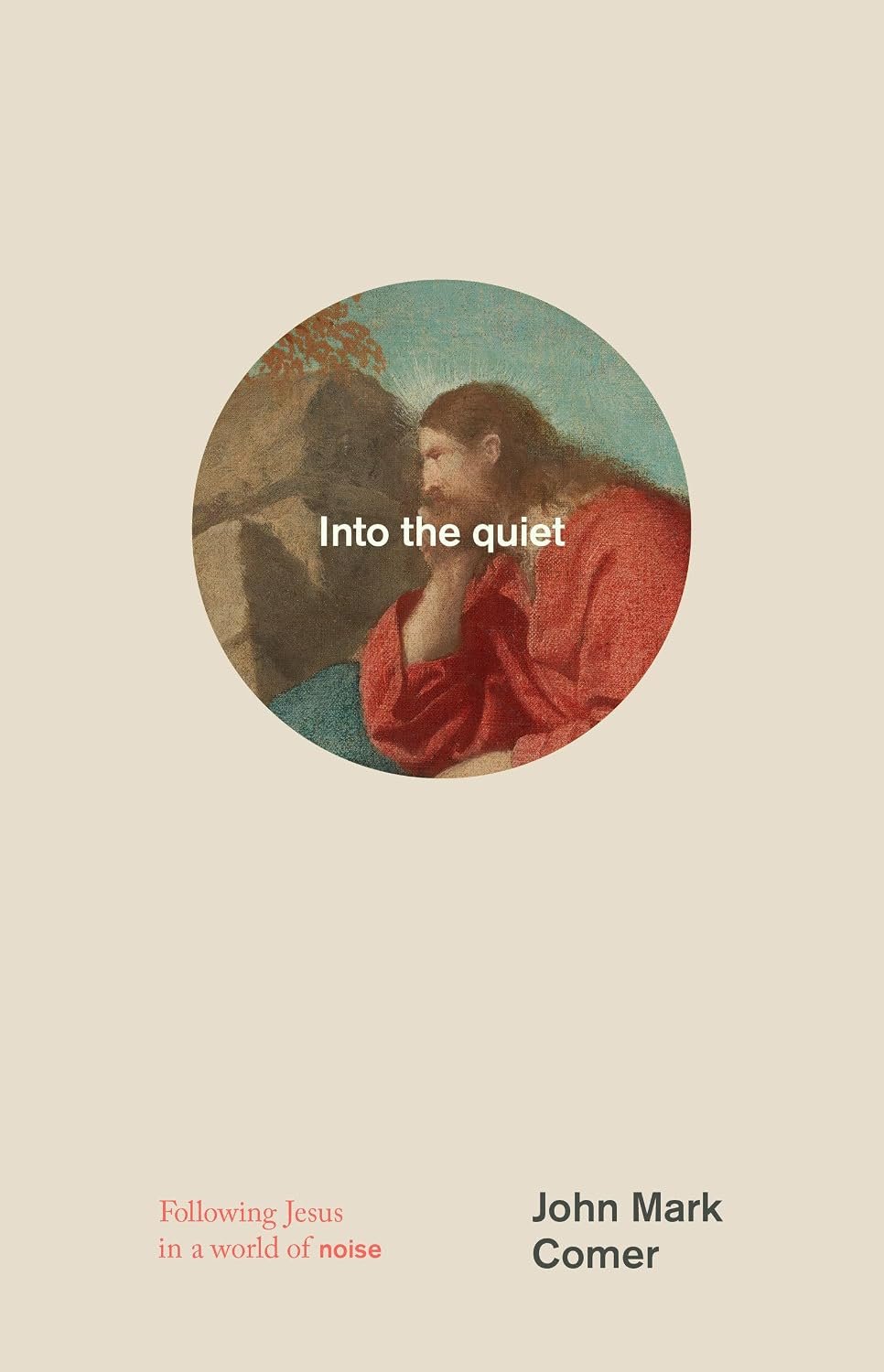
John Mark Comer’s book on silence and following Jesus.
Into the Quiet is John Mark Comer’s book about following Jesus when the day is loud. WaterBrook, in the Penguin Random House listing, published the 304-page hardcover on October 6, 2026. The subtitle is the job: following Jesus in a world of noise. The publisher describes an ache for quiet in a time of overstimulation, and a return to solitude, silence, and stillness drawn from the contemplative tradition.
Noise, then a practiced quiet
The problem the book names
The publisher’s diagnosis is ordinary and specific. Modern life is noise, busyness, and a digital cycle fed by outrage and fear. People are anxious, overstimulated, exhausted, and dry, and they ache for God while barely able to pay attention. Into the Quiet takes that inability as the pastoral problem. It is not a book about a doctrine fight. It is a book about attention.
Comer invites the reader onto what the publisher calls an ancient path: solitude, silence, and stillness, practices from the early centuries of the church. The aim is to step out of chronic noise into the presence of the God of peace. A quote on the page, from Arthur C. Brooks, says the noise harms the soul and that the book shows a way back to stillness. That is a blurb. The practice list is the book’s own offer.
ISBN 9780593193806. Three hundred and four pages. October 6, 2026. Those facts locate the object. They do not replace the practices. This feature will not invent a morning routine the page does not name.
What quiet means here
Quiet, in this book, is not a personality type. It is a set of practices the publisher ties to the contemplative tradition. Solitude is the alone. Silence is the absence of the feed. Stillness is the body stopping. Comer’s earlier books, Practicing the Way and The Ruthless Elimination of Hurry, are the neighborhood. Into the Quiet is the book that stays on the silence those titles point at. A reader does not need them. The subtitle is enough.
The digital cycle is the contemporary half. Outrage and fear are named as fuel. The book’s wager is that a person who cannot pay attention cannot follow. The practices are the answer the publisher is willing to preview. The chapters, presumably, are the how. This feature stops before pretending to have done them.
A Christian living book can become a scold. The publisher’s frame is an ache, not a verdict on the reader’s phone. The ache is the door. The path is old on purpose.
The October date puts the book in a season when the feed is already loud. That is accidental and useful. The practices the publisher names do not depend on a holiday. They depend on a person who can stand to be unstimulated for a while. The book’s wager is that the standing is learnable, and that the church already had the lesson before the phone.
Who it is for
The book is for a reader who wants a Christian account of silence that admits the feed. It is a poor fit for a reader looking for a news argument about technology. The subject is following Jesus. The noise is the condition, not the thesis.
Comer is the author of the hurry book and the practice book. This one is the quiet book. That sequence is useful and it is not a biography. The feature stays on the offer: solitude, silence, stillness, and a God of peace the publisher says can be approached.
I have not read the 304 pages. The verified part worth opening is the ache and the three practices.
The limit stays. A feature can name the offer. It cannot pretend the practices have been tested or the opinions briefed. The door is the publisher page. The rooms are the book’s.
More Journal stories are on the Journal, and other book articles are collected in Book Reviews.
About the book.
Into the Quiet was published October 6, 2026, a 304-page hardcover, ISBN 9780593193806. Comer writes about solitude, silence, and stillness as a way of following Jesus out of digital noise, drawing on the contemplative tradition.
A short note
I like that the problem is attention, not a louder opinion. The part worth opening is the three practices: solitude, silence, stillness, offered as a way to follow Jesus when the feed will not stop. Comer fits the book because the earlier work was already about hurry and practice. I have not done the practices from these pages. The ache is the part I would hand someone first.
This is a sponsored MarketAnyBook book feature. It is a promotional editorial based on the listing and verified public information, not a full-book review. Book links may be sponsored or affiliate links.
Found a book worth opening?
Books worth discovering. Authors worth knowing.
Return to the Journal →