
Fruit Fly: A Novel
A blocked novelist goes looking for a sad story she can sell, and finds a person instead of material.
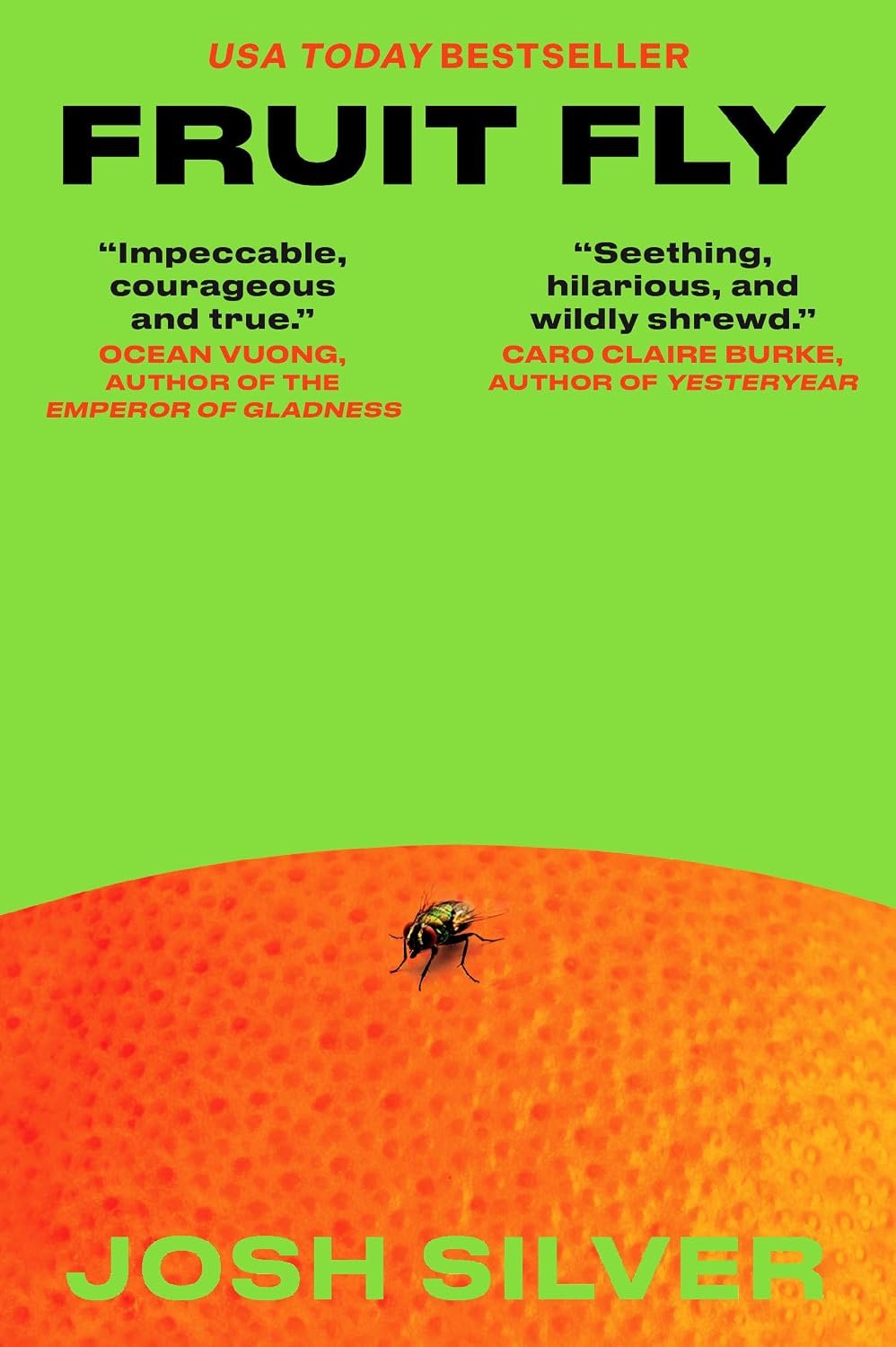
A satire about who gets to own a painful life.
Fruit Fly starts from a market tip so blunt it becomes the novel’s accusation: go sad, go dark, and the book will sell.
An editorial introduction to the book, its premise and the story surrounding it.
Mallory has been unable to write for nearly a decade. She searches for how to produce a bestseller and finds advice that treats identity as a genre.
The Los Angeles Times describes her as a celebrated writer gone stale, who then meets Leo, a gay addict living under a bridge and selling sex to support a drug habit. She poses as someone who can help, and uses the talks to take his story. The paper frames the book as a satire of monetized trauma.
Research that is really extraction
Public summaries add the mechanics without needing the last turn: a fake profile, a North London gathering, a manuscript built from Leo’s accounts, and Leo eventually finding that manuscript. The ethical problem is visible from the premise. Mallory believes the world needs his story, and that she is the one who should write it.
The nurse’s question
Silver’s background in mental health nursing is part of the reported context. The novel asks who is allowed to turn a life into content. This feature stops before the published accounts of what Leo invents, what he survives, and what he writes back.
More Journal stories are on the Journal.
About the book.
The Los Angeles Times described the Crooked Lane novel as 384 pages and noted an A24 adaptation in its report. This feature does not follow the ending.
This article is a sponsored MarketAnyBook Book Feature. It is based on supplied materials and verified public information, and it is not presented as a full-book review.
Found a book worth opening?
Books worth discovering. Authors worth knowing.
Return to the Journal →