
If I Were a Tree
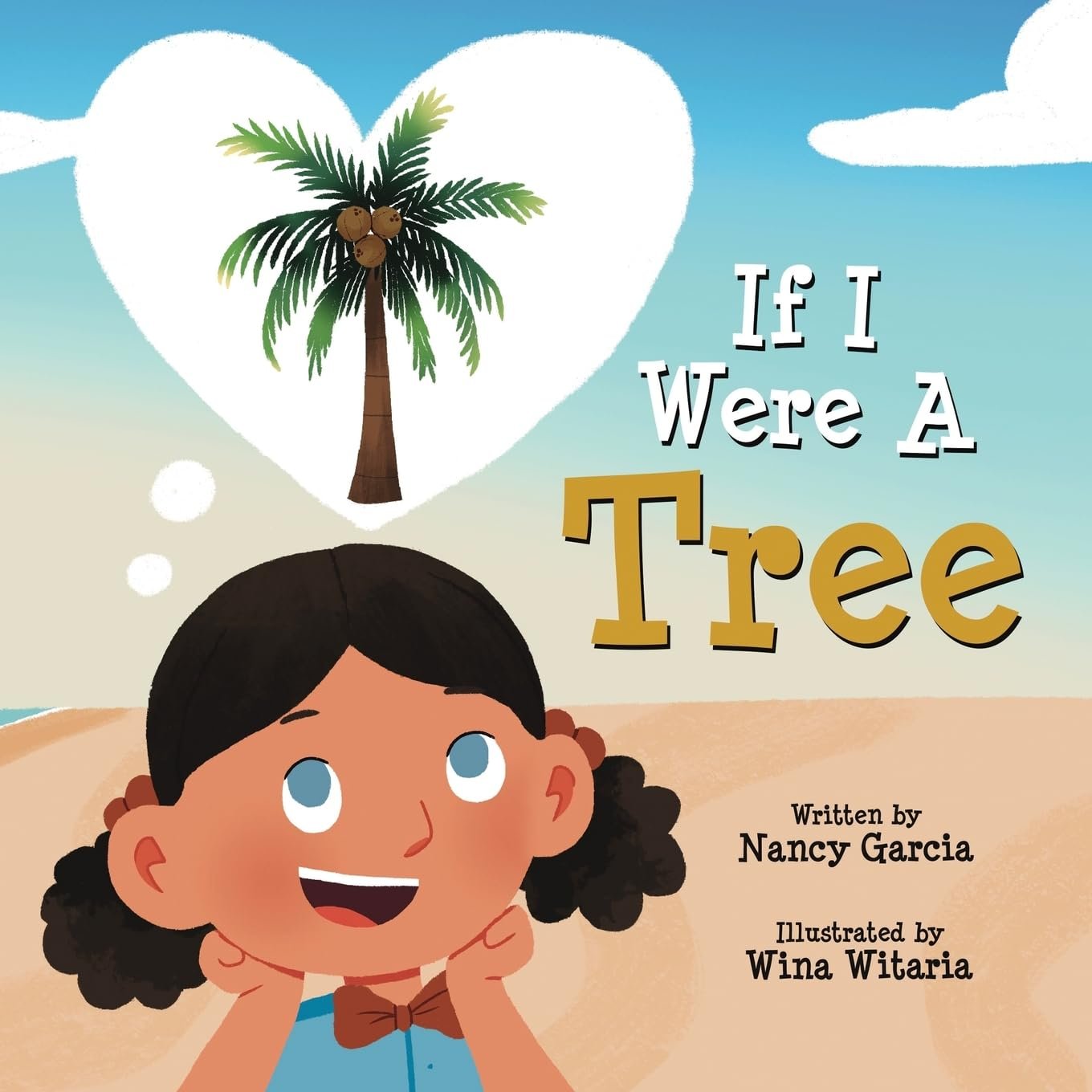
A child imagines being a palm tree beside the sea, finding wonder in the weather, wildlife and company of others.
Books worth discovering. Authors worth knowing.
A child imagines being a palm tree beside the sea, finding wonder in the weather, wildlife and company of others.
N.
Imagining a Different Kind of Life
A child wishing to become a tree is a simple idea with unexpected possibilities. Trees stay in one place while the world moves around them. They notice change through light, weather, animals and the passing day. In Nancy Garcia’s picture book *If I Were A Tree*, the narrator imagines herself as a palm tree beside a tropical sea. An independent Kirkus review identifies the central motif and describes the imagined day in vivid, rhyming scenes. The child pictures warm sunshine, waves, rainbows, wildlife and the night sky. The result is not a scientific lesson in botany so much as an invitation to pay attention to the extraordinary amount of life unfolding in an ordinary place.
The choice of a palm tree gives the story a recognizable visual and emotional setting. A seaside palm can suggest shelter, heat, ocean air and the slow movement of leaves. Instead of wishing to fly anywhere at will, the narrator imagines remaining rooted and experiencing what passes by. For young children this is an interesting reversal. They are often urged to move, accomplish and explore. The tree fantasy suggests another form of adventure: staying still enough to notice. That does not turn the story into a demand for perfect calm. It makes observation and delight part of imaginative play.
Rhymes That Invite Participation
Garcia uses a repeated imaginative statement, according to the review, as the doorway to each possibility. Repetition is a valuable tool in read-aloud picture books because it gives young listeners a phrase they can anticipate. Once a pattern becomes familiar, a child can begin to join in even before recognizing every printed word. Rhythm and rhyme can also support attention and the pleasure of hearing language as sound. This is separate from judging whether every line achieves a particular poetic effect; the published description supports the presence of a playful rhyming pattern and a cumulative imaginative sequence.
The tree narrator’s wishes move through the day rather than through an ordinary plot of opposing characters. Sun, sea and night each create a new moment to imagine. That structure suits readers who are learning to connect observation with feeling. A child can see a picture of a dolphin and remember a trip to the coast, or notice the moon and recall looking at the sky from home. Parents and teachers may use these associations to invite conversation rather than quiz children on factual details. The book becomes a way to ask what someone would love to notice if they could spend a day in one beautiful place.
A Tree With a Human Face
Illustrator Wina Witaria contributes a particularly distinctive image, described by Kirkus as a palm tree combined with a smiling human figure. The effect makes the child’s imaginative transformation visible. She is neither a conventional tree with a hidden voice nor simply a person standing beside a trunk. The images hold both identities together, which helps young readers understand that the fantasy is an act of seeing through another form. Her world includes the changing blue sea, sunlight and other natural details. The illustrations do essential interpretive work, not merely provide decoration beneath the words.
This hybrid figure also gives children an opportunity to discuss the difference between what is real and what can be imagined. Trees do not have human arms or faces, yet imagining them that way can make their relationship to the environment easier to feel. Art allows a child to empathize with a place or a living thing without confusing poetic language with science. In that respect the picture book can offer a gentle bridge to environmental curiosity. It is possible to love a fantasy about a tree and then ask what real palm trees need to survive, or what animals live near them.
Finding Wonder Without Going Far
The story’s limited physical viewpoint is one of its most promising qualities. A person who can travel anywhere may spend the day chasing a spectacular destination. A tree experiences one location through countless small changes. Clouds cast different shadows. The sea looks different in sunlight and moonlight. Birds and crabs carry out their own routines. For a young listener the imagined tree perspective can reveal how a place changes even when the observer stays still. That lesson is accessible anywhere, including far from a tropical beach. A familiar park, courtyard or window can become an observation point.
Families can extend this idea gently after reading by asking a child what tree they might become. Would it be tall or short? Would it stand near a school, on a hillside or in a garden? What might it hear in the morning, and what would change by night? These are optional reading prompts inspired by the premise, not activities claimed to appear in the book. Their strength is that there are no wrong imaginative answers. They allow the child’s own associations to shape a conversation and reward attention to the living world.
Company Matters Too
The narrator’s tree fantasy is not entirely solitary. The review notes that she imagines having the reader and family nearby. That detail adds tenderness to the scenic experience. A glorious sunset may become more meaningful when someone else is there to see it. The tree’s rootedness therefore does not have to imply isolation. It can create a gathering place. Many people know a particular tree as a landmark—a spot to meet, rest or remember a visit. The story’s wish for company connects its playful transformation to the human need for shared attention and affection.
There is also a quiet balance between aspiration and contentment. Children may wish to be astronauts, artists or superheroes, and books rightly celebrate those ambitions. Garcia’s premise imagines a different aspiration: to feel the weather, welcome creatures and enjoy a place over the course of a day. It presents observation as something exciting in itself. That can be refreshing in a culture often filled with instructions to become more productive or extraordinary. The narrator is extraordinary precisely because her imagination has made ordinary natural experiences feel new.
The Picture Book as an Invitation
The independent Kirkus review identifies the work as Garcia’s debut picture book and credits Witaria for its bright settings and tree-person imagery. Those sourced details provide a solid basis for recommending the book to families interested in gentle, nature-centered imagination. A feature based on public descriptions should not claim to have assessed every page, reading level or artistic choice firsthand. It can instead explain the premise clearly and point toward the kinds of conversations the story is likely to invite: What would it feel like to be rooted? What can we notice when we slow down? Who would we want beside us?
*If I Were A Tree* offers an appealing reminder that imagination is not always about escaping the world. Sometimes it is about entering the same world from a different point of view. A child imagines a palm tree, and familiar things—a breeze, a crab, moonlight—become the substance of a day’s adventure. For readers seeking a read-aloud that values nature, language and quiet wonder, that is a pleasing place to begin.
The imagined seaside setting can also support an uncomplicated exchange between generations. An adult might remember trees from childhood while a young listener invents a fantastical tree unlike anything that grows locally. Both kinds of response belong in the conversation. A picture book succeeds in part when it permits different ages to meet on common ground without requiring one to imitate the other’s knowledge. The palm-tree perspective leaves room for memories, questions about real ecosystems and the sheer delight of an improbable drawing. Garcia’s central idea is therefore portable: you do not need an island or a palm tree nearby to begin looking at familiar nature with new attention.
About the book.
A picture book in which a young narrator imagines herself as a palm tree near blue water, observing sun, rain, moonlight, crabs, dolphins and visits from readers and family.
Editorial book feature, not paid sponsorship. Independent research-based commentary using publicly available descriptions and author material, not a claim of first-hand full-text review. The cover placeholder will be resolved by the owner’s publishing automation.
Found a book worth opening?
Books worth discovering. Authors worth knowing.
Return to the Journal →