
I Blew My Diet! Now What?
There is a particular cruelty in the language of having “blown” a diet: a choice about food is turned into a judgment about character. Connie Bennett’s.
Books worth discovering. Authors worth knowing.
There is a particular cruelty in the language of having “blown” a diet: a choice about food is turned into a judgment about character. Connie Bennett’s.
Evidence-conscious literary criticism, not a claim of firsthand full-text reading.
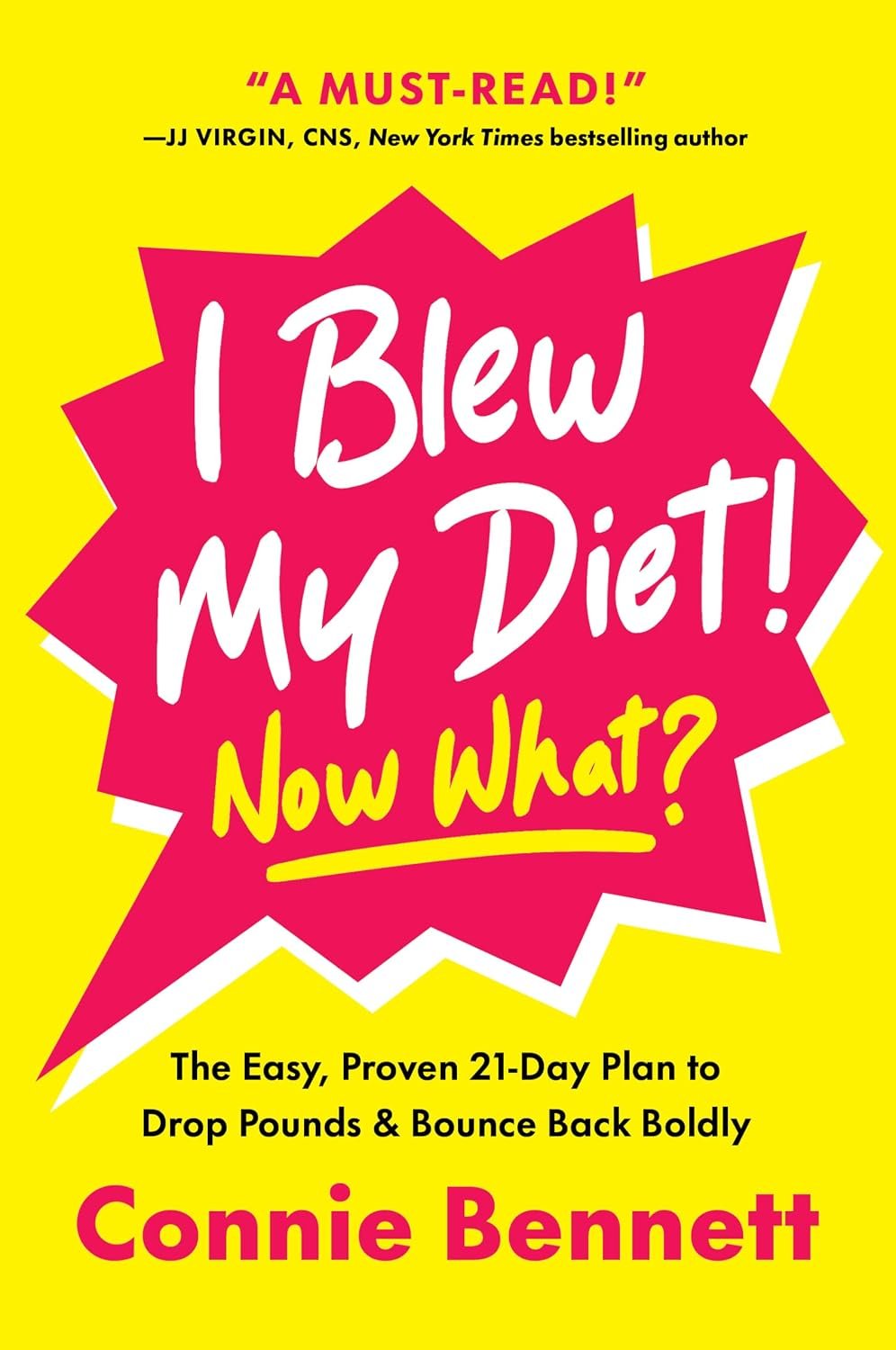
There is a particular cruelty in the language of having “blown” a diet: a choice about food is turned into a judgment about character. Connie Bennett’s I Blew My Diet! Now What? takes that phrase as its point of entry, then proposes a twenty-one-day programme for recovering a sense of control. According to the publisher’s detailed description, the book tries to address emotional triggers and self-blame alongside eating patterns. That combination makes it more interesting than a simple list of forbidden foods, though its medical and weight-loss claims still demand independent scrutiny.
Changing the question after a setback Bennett’s published outline begins with recognition that people sometimes do not follow their intended plans. It then asks why, identifying potential pressures such as stress, perfectionism, burnout, social influence and shame. This move is analytically useful because it shifts attention from a single act toward the conditions that preceded it. Someone who eats differently when exhausted may need rest or a more workable routine; someone whose meals are dictated by social pressures may need support negotiating those expectations. Neither case is adequately described as a simple failure of will.
The title’s question—“Now what?”—is more humane than “Why did you do that?” It leaves room for another decision rather than fixing a person in the moment of a setback. Yet there is a tension between that compassionate invitation and the language of “bounce back” or “drop pounds,” which may reinforce precisely the performance pressure the book seeks to ease. A careful reader should notice how the author balances those messages rather than assume they are automatically compatible.
An organized twenty-one days NetGalley’s publisher description identifies four broad movements: normalizing diet setbacks, exploring their causes, presenting a twenty-one-day plan and outlining an eating approach with recipes. The plan is marketed through small, adaptive actions, described under the acronym FEASTS. The concrete contents of all exercises were not independently inspected here. In principle, modest actions can be less daunting than complete personal reinvention; the critical issue is whether the recommendations are sustainable and appropriate for different readers.
Nutrition writing is especially vulnerable to overgeneralization. People differ in health status, metabolic needs, finances, cultural food practices and histories of disordered eating. The listed dietary approach is described as a modified ketogenic framework. That may not suit every body or circumstance, and an editorial review cannot treat it as a universal remedy or a substitute for individualized medical advice. The worthwhile psychological questions raised by the book should be assessed separately from claims about specific weight outcomes.
Where compassion meets accountability One promising aspect of Bennett’s approach is that she does not appear to regard emotion as an inconvenience to be suppressed. Experiences of guilt and self-sabotage become part of the subject, not something left outside the programme. But accountability is not the same as punishment. A genuinely constructive plan would provide ways to change behaviour without encouraging secrecy, obsession or fear of food. Readers can ask whether its instructions leave space for flexibility and ordinary enjoyment.
The contributor credit in the queue names Isabella Bannerman, and that credit deserves preservation even though the available descriptions do not establish the extent of the contribution. A professional review should also resist repeating promotional terms such as “proven” as scientific findings. A claim of proof requires accessible methods, appropriate studies and a clear definition of what success means. These materials do not allow that assessment.
What counts as a successful day? A twenty-one-day programme provides a clear beginning and end, which can be motivating but also arbitrary. The more important test is what happens after the structure disappears. Does a reader leave with a rigid system requiring constant surveillance, or with a few adaptable habits and a calmer relationship to setbacks? The publisher’s account emphasizes small actions and rebuilding confidence. Those goals are worth distinguishing from short-term changes on a scale. Long-term wellbeing cannot be fully evaluated by a fixed number of days, and the book’s title should not be mistaken for evidence of such outcomes.
The author’s attention to the reasons behind eating decisions also invites a wider conversation about moral language. Food is often described as a reward, temptation, indulgence or violation, making the eater’s character seem to rise and fall with the menu. A compassionate approach would loosen that connection. It would also recognize that hunger and appetite are ordinary bodily experiences, not always problems to be overridden by self-control. Readers should examine whether the programme consistently honors these principles, particularly when it turns from emotional understanding to dietary rules.
A useful distinction for critical readers Self-help can be valuable without being scientifically conclusive. A reflective prompt that helps someone notice stress is different from a controlled claim that a particular eating plan will produce reliable weight loss. Both may appear in the same book, but they require different kinds of evidence. Bennett’s journalist background and the detailed publisher summary establish a readable organizing ambition; they do not independently validate every promised result. The most constructive way to approach the text is therefore neither unquestioning acceptance nor blanket dismissal. It is to separate useful questions from testable claims, and to assess each on the terms appropriate to it.
For readers considering a reset The book is likely to interest adults who respond to practical routines and who want language for understanding the emotions surrounding attempts at dietary change. It may be less suitable for readers seeking a comprehensive medical nutrition text, or for anyone whose eating patterns are associated with a clinical condition requiring specialized support. The advertised empathy is a strength of the premise, but the value of a structured plan ultimately depends on whether it supports wellbeing beyond a short time frame.
This source-based appraisal recognizes a constructive reorientation: a setback need not become a verdict on a person’s worth. That is a meaningful message. The more demanding question for I Blew My Diet! Now What? is whether its promised strategy can honor that message while offering responsible, evidence-based guidance. Readers should consult the full text, verify any health claims and seek professional advice where appropriate before treating its programme as a prescription.
About the book.
The title, contributors, routing category, original retailer link and unique Drive image file were checked against the live queue. The review is based on publicly available evidence and original editorial analysis.
This is a sponsored book review. Sponsorship does not alter our standards for evidence and critical independence. This research-based critical review interprets the verified book listing and available external descriptions; it does not claim a complete reading.
Found a book worth opening?
Books worth discovering. Authors worth knowing.
Return to the Journal →