
The Beast Nicholas
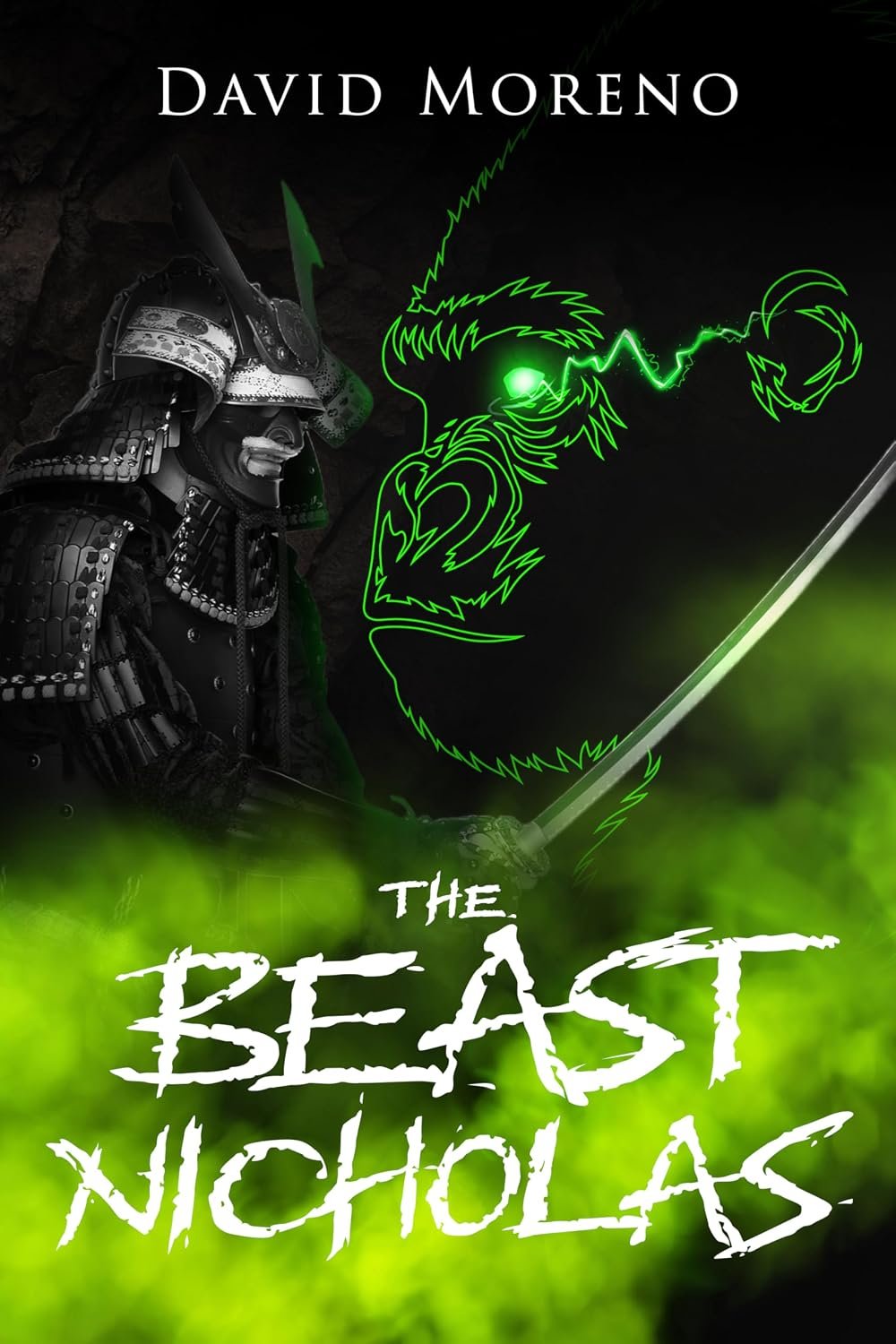
The Beast Nicholas is a title that withholds nearly everything except a troubling conjunction. A beast may be a creature, a moral judgment or the name.
Books worth discovering. Authors worth knowing.
The Beast Nicholas is a title that withholds nearly everything except a troubling conjunction. A beast may be a creature, a moral judgment or the name.
Evidence-conscious literary criticism, not a claim of firsthand full-text reading.
The Beast Nicholas is a title that withholds nearly everything except a troubling conjunction. A beast may be a creature, a moral judgment or the name someone receives when others have ceased to understand him. Nicholas sounds personal, specific and human. David Moreno’s book places those ideas together, but the current research pass did not uncover a trustworthy plot summary or interior extract for the exact listed edition. The resulting review must remain an exercise in critical framing rather than a pretended description of events that have not been established.
The person and the label Stories about beasts often ask readers to decide where monstrosity resides. A frightening exterior may conceal vulnerability; an ordinary name may conceal destructive behaviour; a community’s language may create the very outsider it fears. These are possibilities opened by a title, not claims that Moreno’s narrative includes them. What makes the phrase interesting is its refusal to settle whether Nicholas is the beast, fears it, owns it or has merely been described that way by someone else.
The definite article in “the beast” is also doing work. It suggests a figure already known within a community or within a story’s mythology. The name narrows that grand designation to an individual. Good genre fiction can make productive use of such friction between archetype and personality. It can ask whether someone’s identity is determined by an act, an appearance, a history or an accusation. Until a reliable synopsis is located, however, even the book’s genre is unconfirmed.
What a full review needs A serious literary judgment would require the book’s setting, narrative voice, actual conflict and the way the central figure is represented. If this is horror, suspense may be built through concealment, dread or a threat made visible. If it is fantasy, the creature may belong to an invented system of power. If it is psychological fiction, the beast could be metaphorical. These different possibilities demand different critical criteria; none can responsibly be selected as factual on the strength of an evocative title.
Readers should also be wary of making an easy assumption about morality. Calling a character a beast can reduce complex action to an essential nature, which may make storytelling less interesting. Conversely, a work can deliberately exploit that vocabulary to expose prejudice, repression or fear. Only the actual narrative can show whether the label is challenged or reinforced. A critic’s job is to notice the distinction, not to fill the evidence gap with a familiar trope.
A provisional recommendation The book’s listing establishes David Moreno as author and provides an exact retail identifier, while the corresponding queue provides a named Drive cover. That bibliographic grounding is useful for avoiding a mistaken review of another title with “beast” in it. It is not the same as content-level evidence. For now, <em>The Beast Nicholas</em> should be approached by curious readers as a book requiring a sample chapter or publisher description before they can judge whether its themes and tone suit them.
This is a local editorial draft. The title suggests a potentially rich opposition between identity and fear, but the account stops there rather than invent characters, scenes or plot developments. Professional criticism can begin with questions; it cannot honestly end with claims of artistic success until there is enough of the work available to consider.
About the book.
The title, contributors, routing category, original retailer link and unique Drive image file were checked against the live queue. The review is based on publicly available evidence and original editorial analysis.
This is an unsponsored editorial book review. This research-based critical review interprets the verified book listing and available external descriptions; it does not claim a complete reading. Independent synopsis or interior excerpt was not located for the exact edition.
Found a book worth opening?
Books worth discovering. Authors worth knowing.
Return to the Journal →