
The Billionaire Kitchen
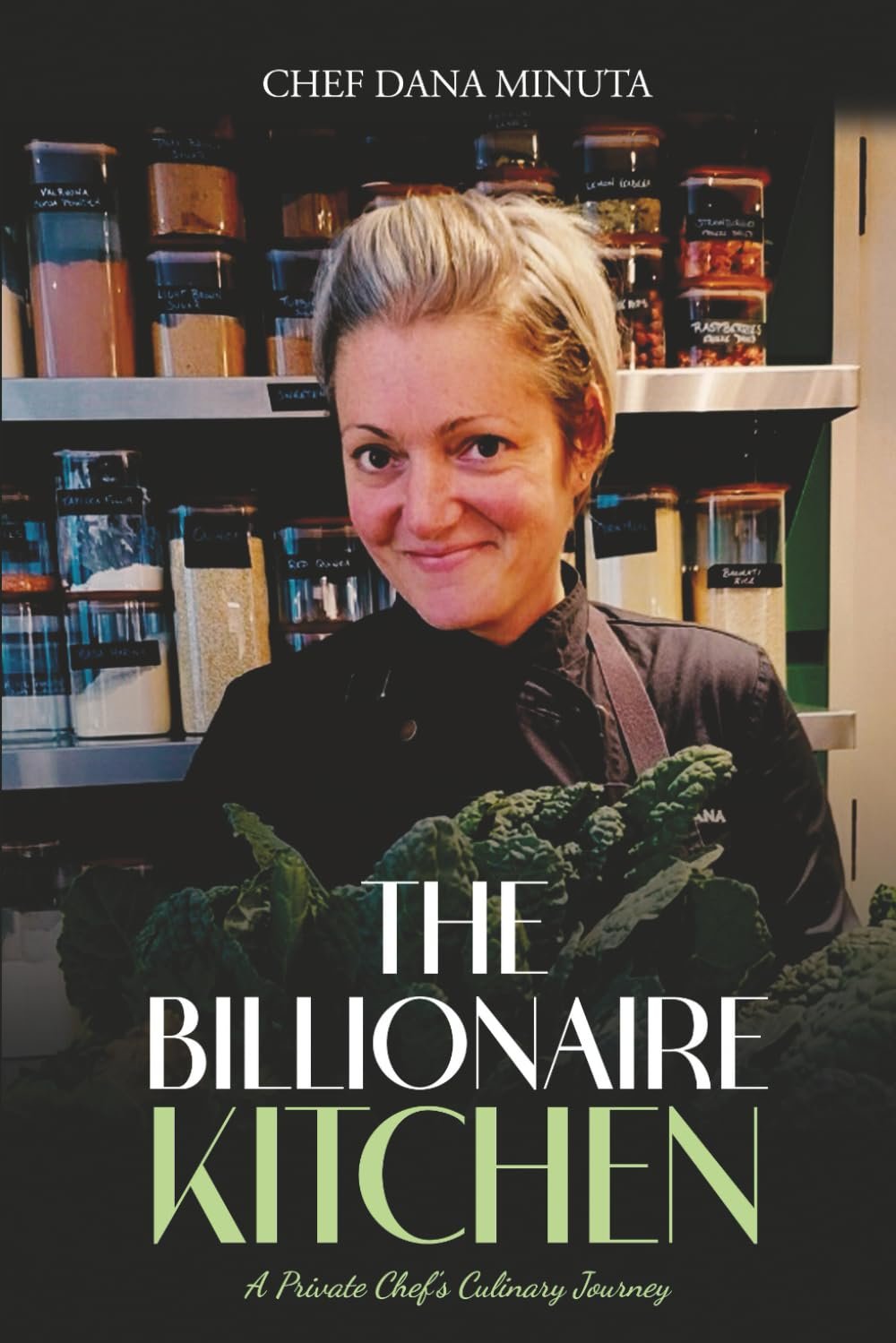
The Billionaire Kitchen: Secrets from the World's Most Exclusive Tables offers readers two fantasies at once: entry into private dining rooms most will never see, and the pleasure of working…
Books worth discovering. Authors worth knowing.
The Billionaire Kitchen: Secrets from the World's Most Exclusive Tables offers readers two fantasies at once: entry into private dining rooms most will never see, and the pleasure of working alongside someone who knows how those meals are made. Chef Dana Minuta describes years serving wealthy clients on yachts and estates, with recipes and…
Considered reviews, grounded in the book’s documented promise.
The Billionaire Kitchen: Secrets from the World's Most Exclusive Tables offers readers two fantasies at once: entry into private dining rooms most will never see, and the pleasure of working alongside someone who knows how those meals are made. Chef Dana Minuta describes years serving wealthy clients on yachts and estates, with recipes and professional anecdotes blended into a culinary memoir. Its best critical promise lies not in the wealth of its patrons but in the craft, improvisation and discretion demanded of the person cooking for them.
A kitchen is a workplace, not just a spectacle
The title advertises exclusivity, but a private chef's daily labor is often concerned with the most ordinary variables: timing, sourcing, preferences and the consequences of a mistake. The author's professional background includes Culinary Institute of America training, Gramercy Tavern experience and private service at luxury properties. That gives a credible foundation for an account of unusually demanding cooking environments. The real narrative opportunity is to reverse the usual gaze: instead of presenting the wealthy as the sole interesting people, the book can make the service professional's judgment and ingenuity the subject.
What counts as a secret?
A promise of inside knowledge risks encouraging readers to expect celebrity gossip or sensational revelation. A more rewarding form of insider account might disclose the gap between glamorous results and difficult preparation. It can show that the same meal moves through different meanings for cook and diner: for one, a fleeting experience; for the other, hours of work and accountability. The publisher describes improvisation and high-pressure service, but not enough of the actual anecdotes to assess whether their detail consistently repays the promise of the title.
Recipes as narrative evidence
The recipes distinguish this book from a conventional memoir. A dish can reveal a chef's philosophy through ingredients, substitution and sequence; culinary instruction becomes another way of telling a life. That hybrid format can be wonderful, but it requires organization. Readers need to know when they are following a story and when they are expected to cook. A professional review of recipes would require testing them rather than merely praising their appeal on the page. No such testing was performed for this assessment.
The ethics of privilege on the plate
Food writing about extreme wealth can become merely aspirational, treating extraordinary consumption as proof of taste. Minuta's stated farm-to-table emphasis opens the door to a more interesting conversation about sourcing, labor and what culinary luxury may overlook. Rich ingredients are not necessarily good technique; expensive service is not automatically hospitality. The sharper critical question is how the chef relates skill and care to the social environment in which she works. Those are questions suggested by the professional context, not verified conclusions about her chapters.
A vivid occupational point of view
Many readers will be drawn not because they wish to imitate billionaire dinners but because they are fascinated by the arrangements of an unfamiliar profession. The strongest occupational memoirs reveal rules that outsiders do not notice and the personality required to navigate them. This book is positioned to provide such an encounter, although the evidence here supports its stated hybrid design rather than a verdict on execution or recipe reliability.
The private chef as a translator of worlds
The position of a private chef involves interpreting a client's tastes without losing the integrity of craft. It requires understanding when a meal is intended as comfort, display, celebration or discretion. The ordinary professional decision—what can be prepared beautifully with available ingredients—exists alongside a social performance whose rules outsiders may never see. Minuta's premise is compelling because the narrator crosses these worlds daily. A good occupational memoir allows readers to understand that fluency without romanticizing service or treating the profession as a route to borrowed status.
What luxury can teach about limits
Unlimited expense does not eliminate limitations: ingredients have seasons, people change their minds, weather interrupts travel and dinner still must be served at a particular hour. Such constraints make technique and improvisation matter. The author's public culinary events emphasize seasonal sourcing, which supports the view of her work as craft rather than pure extravagance. But a book about luxury should avoid using wealth as a synonym for culinary excellence. The critical pleasure lies in showing the professional judgments that money cannot purchase ready-made.
A recipe can reveal an author
Recipes carry a narrative voice through the level of precision they demand, the substitutions they permit and the reader they imagine. A chef accustomed to extraordinary kitchens must decide how to address home cooks with ordinary budgets and equipment. If the text makes that translation generous and clear, its recipe sections may extend the memoir's human appeal. If it assumes unusual resources, they may function more as a record of luxury service than practical instruction. This distinction is not settled by sales descriptions. It requires both close reading and ideally recipe testing before the edition can receive an unqualified culinary recommendation.
Behind the dining-room door
The private-service world is alluring because so few readers have access to it. But if the book succeeds as memoir, it should allow us to stop looking at the client's wealth long enough to understand the cook's working life. Technical skill, emotional discretion and fatigue can reveal more than expensive décor. Minuta has the experience to tell that story; her public descriptions identify both the recipes and the professional pressure. A reader may legitimately want the pleasures of glamorous food writing, yet the higher literary standard lies in the specific intelligence of the person who made the meals possible. A complete review must test whether the pages deliver that perspective.
Who will value this book
Best suited to food lovers, professional chefs curious about private service and readers who enjoy behind-the-scenes occupational memoirs. Those expecting investigative journalism about wealth or independently tested recipes should distinguish those expectations from the book's documented promise. This is an evidence-limited critical introduction.
Scope of this assessment
This is a research-based editorial review drawn from identified bibliographic, author and publisher sources. It considers the work’s documented premise and the critical questions it invites, without claiming a complete firsthand reading. No unverified scene, character action or ending is asserted.
About the book.
An evidence-bounded critical introduction to culinary memoir and personal food writing. Published descriptions support the stated premise; interpretations are identified as editorial analysis, not confirmed plot details.
This is an unsponsored, research-based editorial review, not a claim to firsthand reading of the complete book.
Found a book worth opening?
Books worth discovering. Authors worth knowing.
Return to the Journal →