
Barry the Brilliant
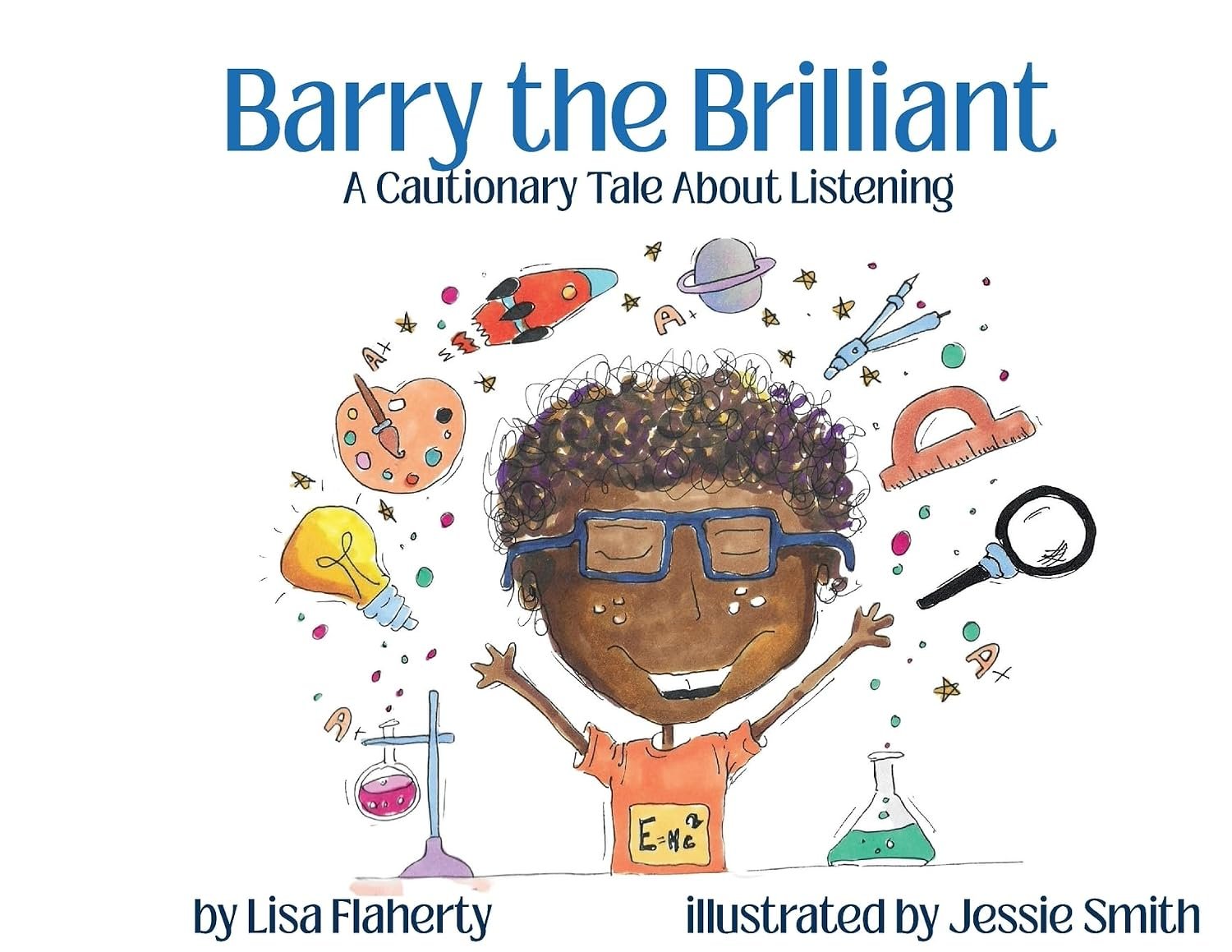
Barry is a child who believes he already knows more than his teacher. A school fire drill exposes the weakness in that assumption: the ordinary act of listening turns out to be connected with the safety of…
Books worth discovering. Authors worth knowing.
Barry is a child who believes he already knows more than his teacher. A school fire drill exposes the weakness in that assumption: the ordinary act of listening turns out to be connected with the safety of everyone in the class. The author, an early-years educator, presents this as a story about paying attention and learning from adults.
Carefully sourced literary criticism and book-specific interpretation.
Barry is a child who believes he already knows more than his teacher. A school fire drill exposes the weakness in that assumption: the ordinary act of listening turns out to be connected with the safety of everyone in the class. The author, an early-years educator, presents this as a story about paying attention and learning from adults.
Confidence is not attention
The central flaw is recognisable because children are rightly encouraged to be curious and independent. Barry’s problem is not intelligence; it is the belief that intelligence makes attention unnecessary. A good classroom story can distinguish confidence from dismissiveness without humiliating a child for asking questions. The fire-drill situation gives a concrete reason for listening beyond simple adult authority.
The cautionary tale’s challenge
What matters artistically is whether Barry has an inner life beyond his lesson. A cautionary tale can become brittle when a character exists solely to make a mistake on behalf of its audience. Ideally a young reader should recognise the satisfaction of being certain, the awkwardness of discovering a limit and the possibility of repairing a mistake. The publicly available outline cannot establish how convincingly this emotional progression is drawn.
The illustrator’s role
In a picture book, the illustrator has a vital role in balancing admonition with humour. Jessie Smith is credited on the listing, but the interior art has not been examined here. Visual choices might make Barry sympathetic even as his attitude is challenged, allowing children to laugh at the situation without hearing only a reprimand.
Using the story wisely
This is a plausible shared-reading choice for early-primary classrooms and families discussing school routines. It may be particularly useful before a first fire drill, provided adults remember that the purpose is understanding rather than fear. The documented premise is sound; a final literary judgment requires seeing how words and pictures work together.
The review’s scope
This assessment is based on the identified bibliographic records and available author, publisher and bookseller descriptions. The interpretive claims above are editorial judgments about the documented premise and genre choices, not testimony to having read every chapter or inspected every illustration. The published text may answer, complicate or contradict the critical questions raised here. A finished review would assess the language, structure and ending directly.
About the book.
The title, author/contributor record, source URL and matching cover file ID come from the current MarketAnyBook Journal Queue and its Drive asset folder. The review considers children’s picture-book fiction through verified available descriptions rather than firsthand full-book reading.
Sponsored book review: the source queue marks this book as sponsored. Editorial analysis remains independent and is based on the publicly accessible sources noted in the companion metadata.
Found a book worth opening?
Books worth discovering. Authors worth knowing.
Return to the Journal →