
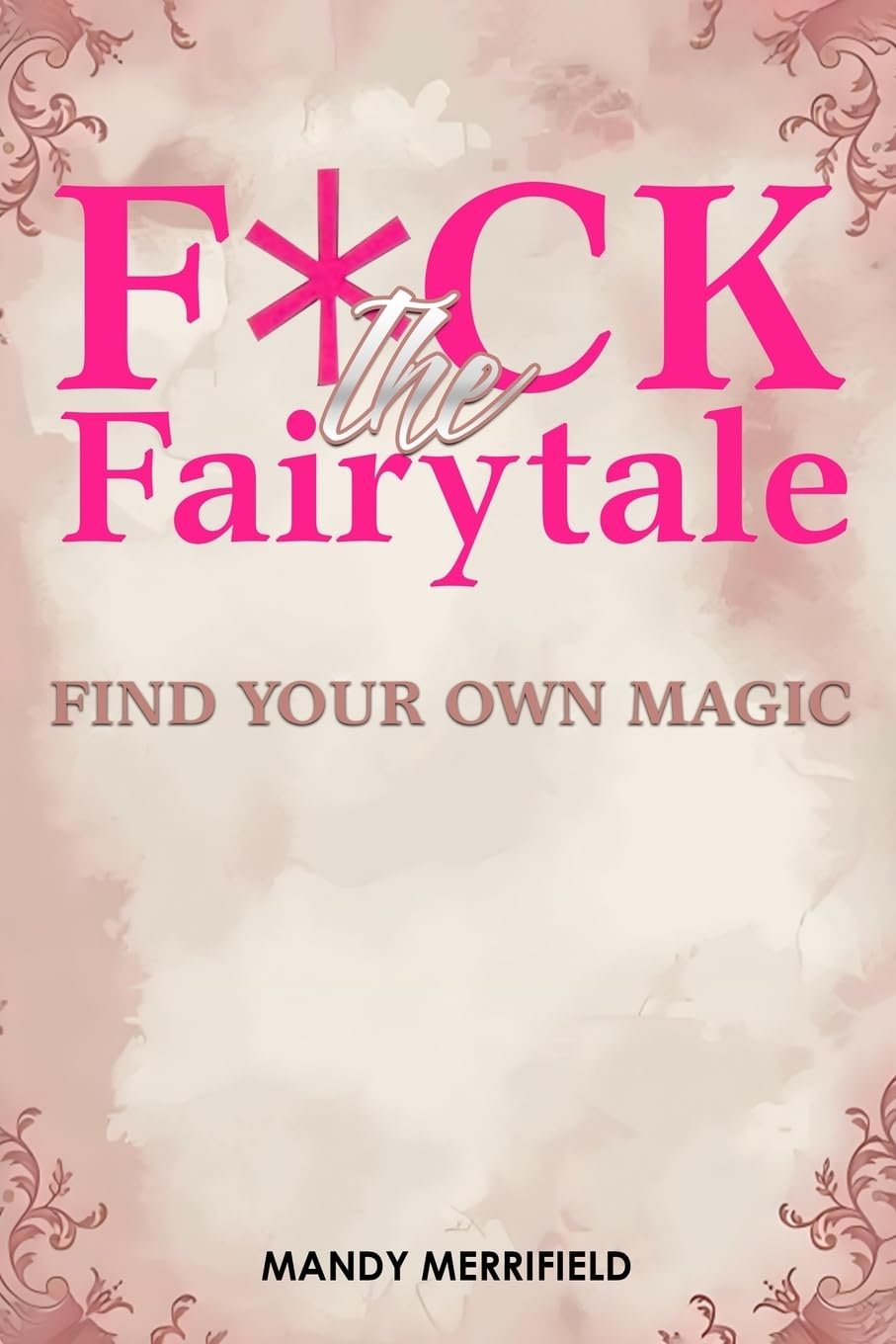
F*ck The Fairytale: Find Your Own Magic
A refusal of the prescribed happy ending — a measured editorial introduction to F*ck The Fairytale: Find Your Own Magic.
Books worth discovering. Authors worth knowing.
F*ck The Fairytale: Find Your Own Magic rejects the comforting idea that a single inherited story can define a meaningful life. Its two-part title moves from repudiation to self-authorship.
Limited-source editorial review; full-text evaluation remains open.
F*ck The Fairytale: Find Your Own Magic rejects the comforting idea that a single inherited story can define a meaningful life. Its two-part title moves from repudiation to self-authorship.
What a careful review can and cannot say
The rhetorical challenge is whether an empowering voice can offer readers genuine choices instead of merely exchanging one rigid ideal for another. Magic here is a metaphor suggested by the title, not verified supernatural content.
A book’s packaging makes a claim on the reader’s attention, but the distinction between an engaging concept and a satisfying work lies in its development. For F*ck The Fairytale: Find Your Own Magic, that distinction is especially important because the available catalog evidence does not establish the internal architecture of the work. A responsible editorial evaluation cannot verify the quality of its dialogue, pacing, sourcing, argumentation, illustrations or conclusion. The questions posed here are therefore interpretive frames rather than reports of firsthand reading. The work deserves to be assessed by its own choices once an excerpt or finished copy can be consulted, not by genre expectations alone.
Who should consider this book
Readers drawn to candid personal-development writing may respond to the premise; a full evaluation of its advice is not possible from the listing.
A qualified editorial recommendation
The verified title and contributor credit are a sound starting point for discovery, not a substitute for direct engagement with the book. Prospective readers should consult the linked listing, seek a sample or contents page where available, and decide whether the stated subject fits their interests. This spotlight offers a critical orientation to that decision while deliberately withholding judgments that would require reading the full work.
About the book.
The book listing verifies title and contributor credit; descriptive or interior evidence is insufficient for a full critical review.
This is a sponsored book review placement. The discussion is based on verified catalog metadata and interpretation, not a firsthand reading of the complete book. Claims about the contents or merits are intentionally limited.
Found a book worth opening?
Books worth discovering. Authors worth knowing.
Return to the Journal →