
Hate So Bad
Nina Lincoln opens The Hate Series with a newcomer’s struggle to belong, an antagonistic school environment and a confrontation that becomes deeply personal.
Books worth discovering. Authors worth knowing.
Starting over does not always mean leaving pain behind. Hate So Bad introduces a protagonist already carrying a loss when she enters a hostile new school. Nina Lincoln’s premise brings grief, social judgment and defiance into a dark romance where first impressions become weapons and refusing to retreat has consequences.
An editorial introduction to the book, its premise and the story surrounding it.
An arrival shaped by loss
The author’s synopsis begins with a move that follows a profound loss. The protagonist expects grief to be the hardest part of her new life, but the school she enters presents an immediate challenge of its own. Its atmosphere is hostile, and her appearance marks her as someone who does not belong.
This setup creates two pressures at once. There is the private burden she brings with her and the public identity others assign to her. The distance between those two things gives prospective readers a clear point of interest: the person being judged knows how much the judgment leaves out.
The power of a first impression
Clothing and outward manner matter in the published premise because other students use them to read the newcomer’s background. They see a polished exterior and assume weakness. The protagonist’s determination challenges that assumption, making misrecognition part of the conflict from the beginning.
In a school setting, such judgments can become difficult to escape. People meet repeatedly, reputations travel and an encounter can acquire an audience. The setting therefore gives a personal disagreement a social dimension: what happens between two people may also influence how everyone around them behaves.
A confrontation with Colton Theroux
Colton Theroux becomes the central antagonist in the book’s introduction. When the protagonist refuses to yield during a confrontation, the hostility escalates. The synopsis positions their relationship around resistance and the question of whether either person can see beyond the other’s defensive exterior.
That is the tension advertised by the enemies-to-lovers premise. The interest lies in how a relationship might change, and what such a change would require. An introduction cannot establish how convincingly the novel answers that question; it can identify the conflict readers are being invited to follow.
Defiance and its costs
The protagonist’s refusal to back down is central to the way the book presents her. It offers an answer to the identity imposed on her by others. She may be seen as fragile or sheltered, but she understands her own history differently and refuses to let an appearance settle the matter.
Defiance can create forward movement in a story while leaving difficult questions open. When does resistance protect a person, and when does it keep them inside a conflict? What becomes visible when someone stops trying to win approval? These are questions the premise makes available to a reader without requiring assumptions about later scenes.
Approaching the darker material
The author markets the book as a bully romance, and the published content note identifies material that may affect a reader’s choice. The antagonism is therefore part of the stated experience, rather than a minor misunderstanding to be brushed aside. Readers looking for a gentle school romance should take that positioning into account.
Dark fiction can invite interest in troubled relationships without making those relationships a model for everyday life. For this feature, the useful focus is on the story’s advertised emotional conflict and the reader’s own preferences. The available sample and author’s content information provide a better basis for that choice than assumptions based on the romance label alone.
The beginning of a continuing story
Hate So Bad is the first book in The Hate Series. The published series information indicates that the central couple’s story continues in Hate So Good. That context matters for readers who prefer to know whether they are beginning a longer arc before starting a novel.
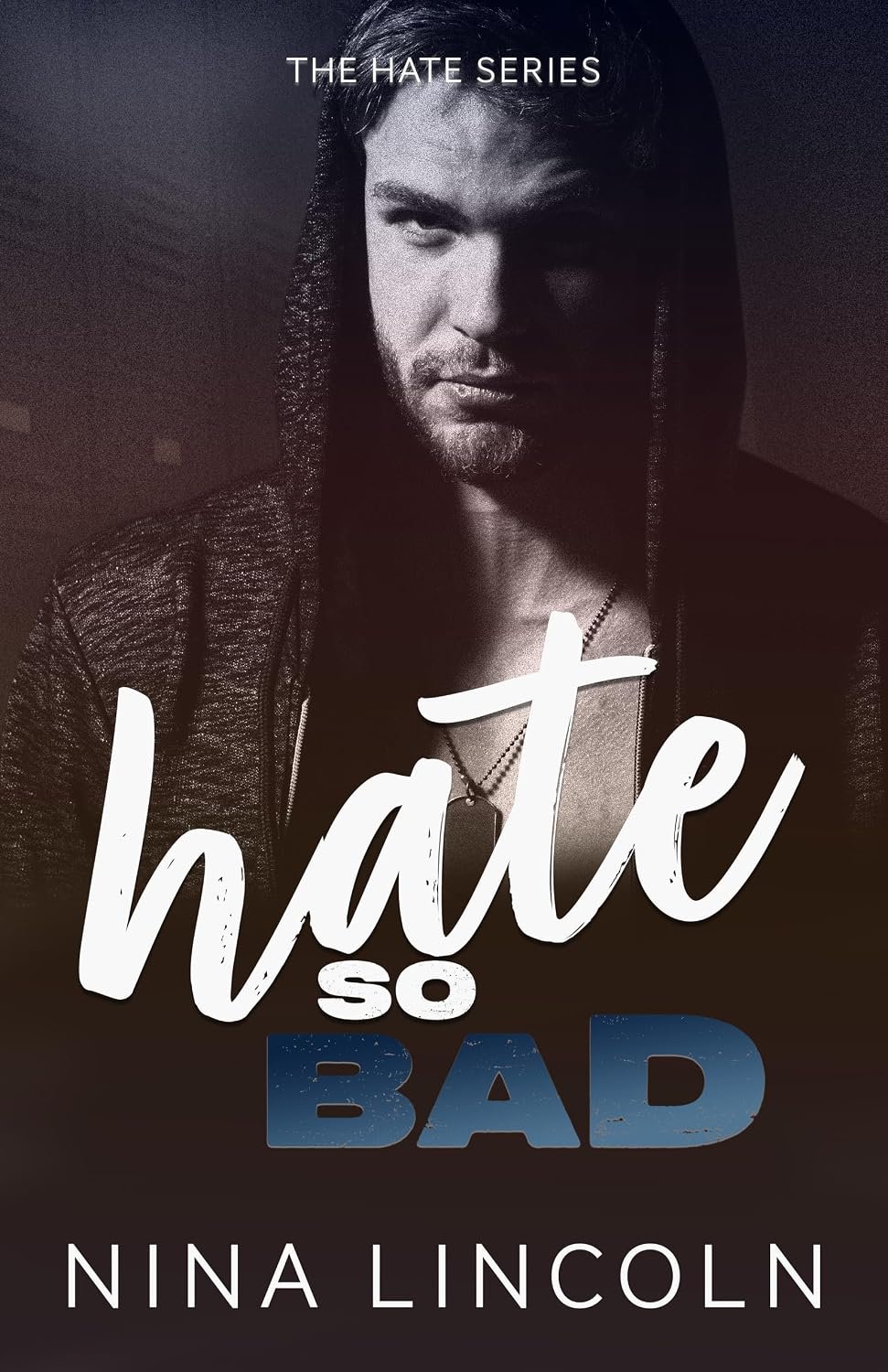
The cover reinforces the book’s dark presentation through a shadowed portrait and stark lettering. Its invitation is direct: enter a story organized around hostility, vulnerability and a refusal to be dismissed. Readers drawn to that combination can begin with the first installment and judge how Lincoln develops the tension beyond its opening premise.
About the book.
This sponsored feature introduces the published setup of the first Hate Series novel without assessing the complete book or revealing its resolution. The author’s published content note flags strong language, violence and sexual situations; readers should consult it when deciding whether the book suits their preferences.
This article is a sponsored MarketAnyBook Book Feature based on supplied materials and verified public information. It is not presented as a full-book review.
Found a book worth opening?
Books worth discovering. Authors worth knowing.
Return to the Journal →