
Orphan Jones
A frightened boy, a broken compass and an old man’s buried memories set a forgotten quest back in motion.
Books worth discovering. Authors worth knowing.
A sick, solitary boy arrives in the frozen north with a compass that no longer points the way.
A boy, an elderly protector, recovered memories and a quest resumed.
The boy who arrives with a broken compass
A boy arrives alone at the railway platform of a village in the frozen north. He is frightened and unwell, with a broken compass in his pocket. That is the central opening given in the available description of Tom A Slack’s *Orphan Jones*. The image is effective precisely because it withholds so much: where the child has come from, why he has travelled alone, what he remembers and who might help him. Rather than begin with a map of a fantasy kingdom or a catalogue of powers, the story introduces a human emergency. Somebody is lost, and somebody needs to decide whether to intervene.
The compass deserves attention even before its eventual importance is explained. Normally it promises direction, but here it does not work. In a setting defined by snow, remoteness and vulnerability, an unreliable instrument becomes a neatly concentrated image of disorientation. The book’s description says the object will be repaired, and that memories return as this happens. That connection gives readers a fair sense of the premise without revealing exactly what those memories contain. A practical object and an emotional mystery are joined together; finding one’s way may require recovering an understanding of the past.
Two people with different kinds of loss
The other figure identified in the synopsis is an old man described as lost in memory, who fights for the boy. The phrase suggests a person for whom the past has become difficult terrain. That makes the relationship more compelling than a straightforward rescue in which an experienced adult simply supplies solutions. Both figures appear to be missing something vital. The boy needs safety and orientation; the older man’s relationship with memory is itself unsettled. Their meeting gives the story a chance to examine care as a two-way process rather than a debt owed by the powerless to the capable.
The synopsis states that the two begin to heal together. That is more specific than a generic promise of friendship, yet it leaves the actual path open. Healing could involve trust, recognition, physical recovery or reconciliation with forgotten events; readers should discover which of these matters on the page. What can be discussed responsibly at this stage is the premise’s emotional shape: a vulnerable child and an older stranger create an unlikely connection in a place where survival cannot be taken for granted. Their shared work is the heart of the public account of the book.
A quest restarted rather than simply begun
As the compass is fixed, memories flood back and a quest long forgotten begins again. This is the point where the small scene on a cold platform expands into the possibility of a larger adventure. Importantly, the quest is not presented as an entirely new obligation. Someone has been here before, or at least carried knowledge of a purpose that was lost. A story built around remembering can therefore have a different rhythm from one organized around acquiring powers. Discovery involves what existed already but could no longer be reached.
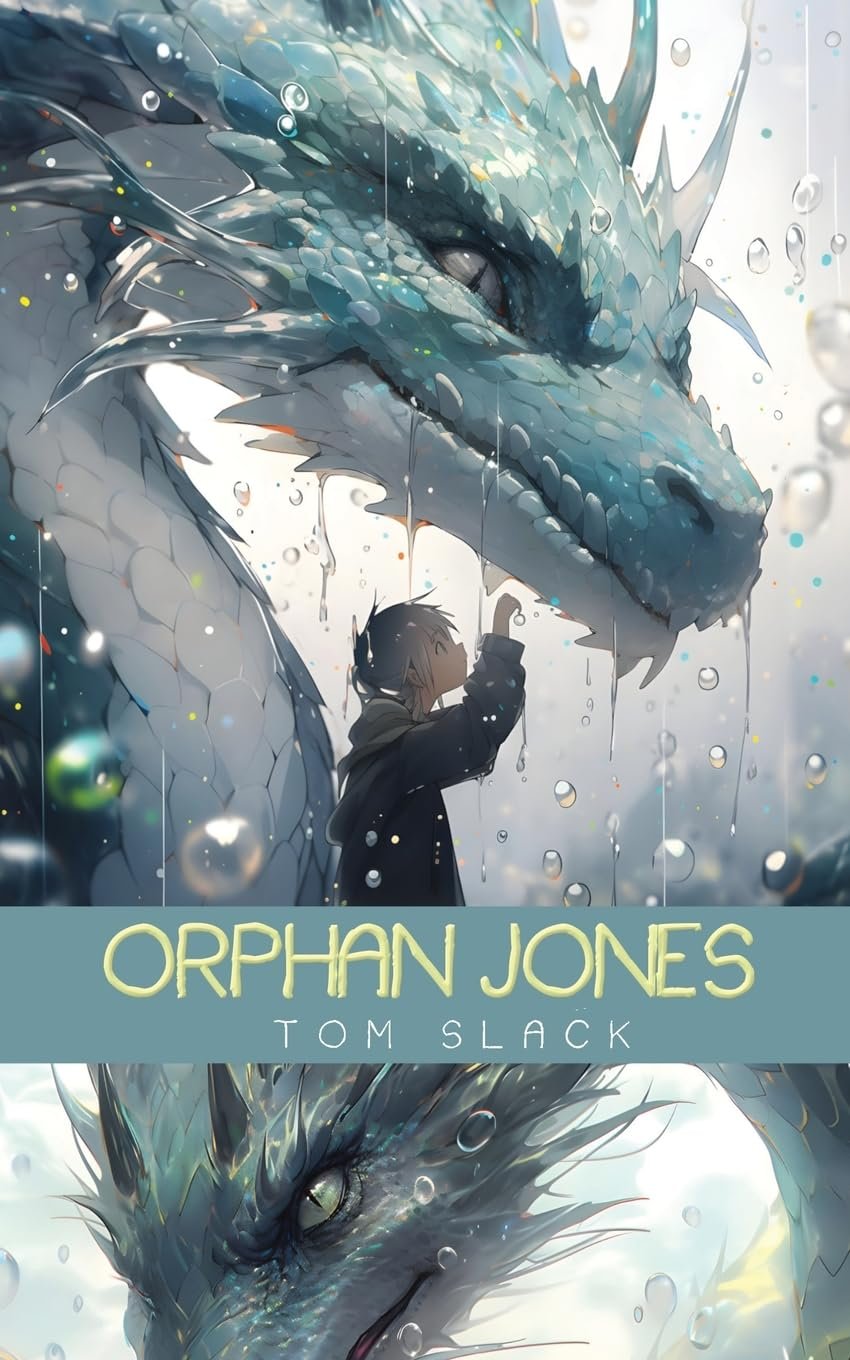
The cover presents an imposing dragonlike figure above a smaller human silhouette. That imagery positions the edition visually within imaginative adventure, although a cover by itself cannot establish a particular creature’s role or confirm any encounter in the narrative. The verified synopsis does not enumerate adversaries, kingdoms or magical rules, and this feature makes no claim about them. The more interesting supported observation is that the apparently modest object in the boy’s pocket may matter as much to the quest as any spectacular creature. Adventure begins here with need, recollection and the decision to protect another person.
Why the setting changes the stakes
A frozen northern village is not merely a picturesque backdrop for a traveller who arrives sick and alone. Cold immediately makes shelter and companionship urgent. The environment can also reinforce the distance between the boy’s visible present and an inaccessible past. Those are interpretive possibilities suggested by the opening description, not claims that the author stages particular blizzards, treks or battles. The limited public synopsis gives readers a point of entry rather than a travelogue of the book’s geography.
The village-platform arrival also creates a useful narrative contrast. Railway platforms are built for movement: people pass through on their way to somewhere else. For an orphaned or apparently unaccompanied child, however, the platform becomes a place where forward motion has stopped. It is the intervention of the old man that introduces a different kind of route. The book promises a journey, but its first meaningful turning point appears to be relational. To move on, the child must be seen, and the older figure must choose involvement over indifference.
The appeal of a compact fantasy mystery
The paperback listing identifies *Orphan Jones* as a 2023 Curious Cat Books release of around 130 pages. Such a compact format can appeal to readers seeking a complete-feeling adventure without a sprawling multi-volume commitment. Page count does not determine pacing or literary ambition, and no judgment about the book’s execution should be inferred without reading it. What the description does establish is a distinctive combination of a mysterious arrival, intergenerational companionship, a broken instrument and a dormant quest. Readers interested in stories that begin with vulnerability rather than conquest may find the premise especially attractive.
It is also a potentially useful choice for those who enjoy the intersection of fantasy adventure and emotionally grounded storytelling. The central questions are not simply whether an expedition will succeed, but what remembering means and whether helping someone else can help recover one’s own sense of purpose. Both questions arise naturally from the publisher-style blurb. They invite a reader to follow the discovery rather than demand that the promotional description surrender its secrets. The exact sequence of revelations, the meaning of the quest and any final resolution belong to the book itself.
The role of the compass offers another useful question for anyone returning to the story after its opening. We use navigation tools because we assume the world can be organized into routes and destinations. But the synopsis makes remembering just as important as moving. The old man’s involvement suggests that knowledge might not reside in one person or object alone. It may have to be reconstructed through shared attention. That possibility gives the compact adventure a thoughtful premise without requiring readers to know what the forgotten quest ultimately entails.
An invitation to follow the compass
Readers approaching *Orphan Jones* can begin with three small details: a boy in distress, an older man burdened by memory, and a compass that has stopped doing its job. They are ordinary enough to feel tangible, even while the cover opens a door toward something fantastical. The plot description links them to healing and an adventure resumed. That is a sound basis for curiosity, not proof of a particular ending, writing style or reading experience. This Journal feature introduces a documented premise rather than offering a firsthand critical verdict.
The question worth carrying into the story is whether the compass marks a direction on a map, a route back into the past, or a way for two people to move forward together. Those possibilities need not compete, and the public description does not settle them. The pleasure of beginning such a tale lies in the gap between what is known and what the journey might restore. In Tom A Slack’s book, the first step is simply that somebody notices a lost child and refuses to leave him alone.
About the book.
A short fantasy-tinged adventure about a lost boy, an old man, a broken compass and a forgotten quest.
Independent MarketAnyBook editorial book feature. Based on verified published descriptions and contextual analysis; not a firsthand reading, full-book review, rating or guarantee. WordPress cover and featured media are resolved by the publisher.
Found a book worth opening?
Books worth discovering. Authors worth knowing.
Return to the Journal →