
Tribute
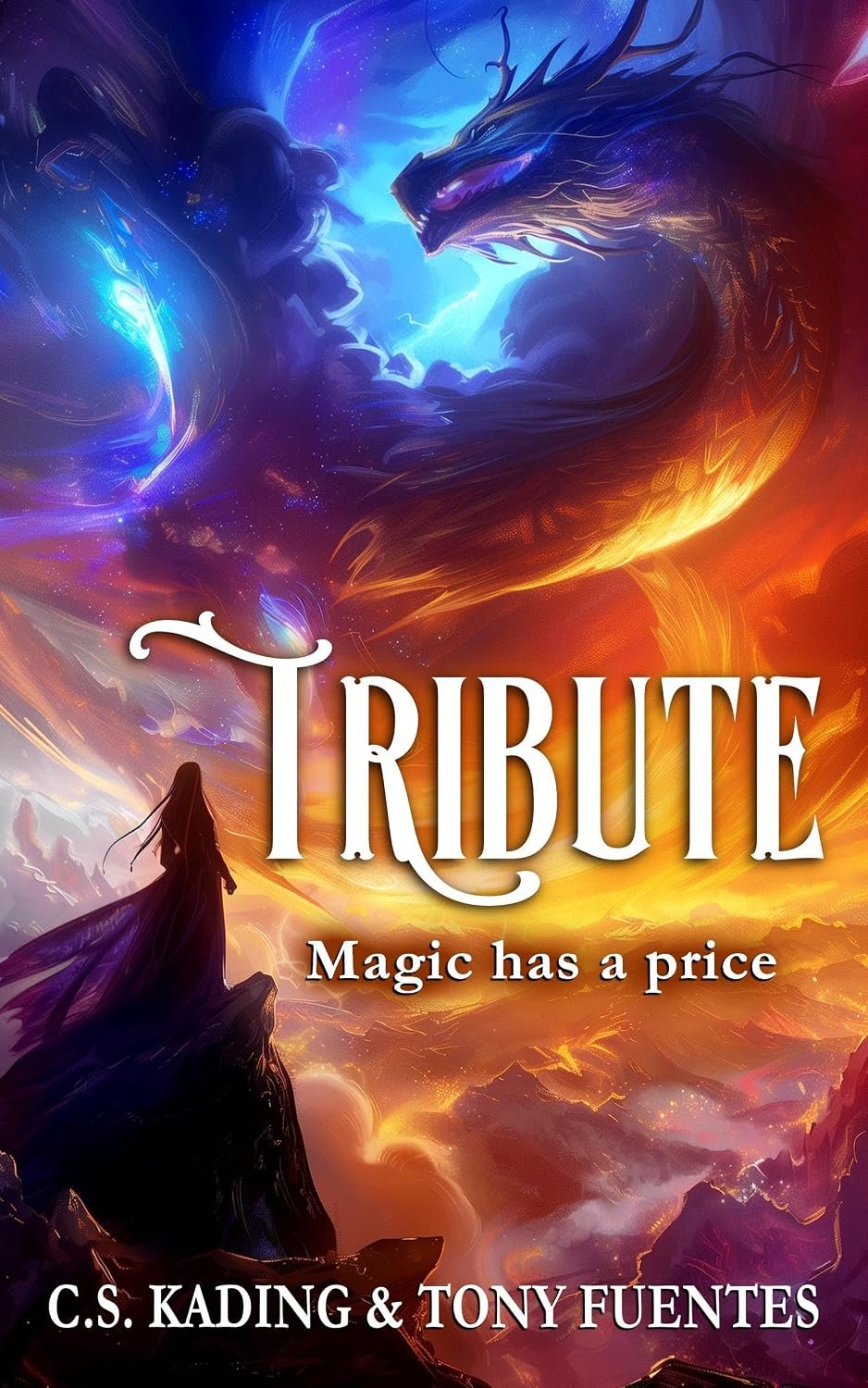
Set in 1984, the public synopsis follows Ilena Firan, who has spent eight years evading the consequences of a traumatic past. A summons draws her back to Scholomance, a Devil’s school hidden beneath a…
Books worth discovering. Authors worth knowing.
Set in 1984, the public synopsis follows Ilena Firan, who has spent eight years evading the consequences of a traumatic past. A summons draws her back to Scholomance, a Devil’s school hidden beneath a Romanian lake. Graduates gain extraordinary powers but remain held by an oath. A former lover now serves as an enforcer hunting oath-breakers; the prospect…
Carefully sourced literary criticism and book-specific interpretation.
Set in 1984, the public synopsis follows Ilena Firan, who has spent eight years evading the consequences of a traumatic past. A summons draws her back to Scholomance, a Devil’s school hidden beneath a Romanian lake. Graduates gain extraordinary powers but remain held by an oath. A former lover now serves as an enforcer hunting oath-breakers; the prospect of a dragon seeking a rider turns the school into a new site of temptation.
The cost of supernatural education
This is fantasy interested in the obligations attached to power, not merely in power as wish fulfilment. The school’s gifts come bound to a debt that cannot easily be refused. Returning to an institution that shaped one’s earlier life is an effective dramatic pattern because it forces an adult to confront decisions made when they were more vulnerable, ambitious or naïve.
Desire under an oath
The former lover’s transformation into an enforcer makes the romance, if it remains central, inseparable from allegiance and coercion. Such a relationship asks a harder question than whether two people are still attracted: what happens to trust when one of them has become an instrument of the very system the other fears? A satisfying treatment must make the gap in their choices intelligible, not excuse cruelty with nostalgia.
A Romanian setting and a mythic school
Cold War-era Romania gives this dark fantasy a historical frame, but the available description does not establish how closely the novel engages with actual politics. Scholomance belongs to a distinctive mythic tradition. The most promising formal tension lies between ancient supernatural rules and the specific fears of the twentieth century, while the dragon-rider plot introduces the temptation to solve moral conflicts by acquiring more force.
A recommendation with limits
This seems a strong prospect for readers of ominous magic schools, fraught reunions and morally costly bargains. A definitive stylistic judgment requires the text itself; the currently accessible synopsis supports discussion of its dramatic architecture, not an assertion that particular scenes or language succeed.
The school as an agreement with consequences
Many fantasy schools function as places where exceptional ability is discovered and trained. Scholomance, as described here, turns that promise into a bargain: extraordinary power is inseparable from the obligation that made it available. That reverses the genre’s comforting assumption that education simply enlarges personal freedom. Ilena’s return after eight years invites a question about whether people can ever outgrow the institutions that shaped them. The difference between having graduated and having escaped may become the book’s central source of dread.
The school’s Romanian lake setting reinforces the idea of a world physically concealed but politically active. A hidden institution is rarely as isolated as it appears: its graduates spread outward, carrying rules and loyalties into other places. That makes the oath a possible organizing principle for an entire supernatural society. An effective account would need to show how people rationalize their obligation, not only what happens when they break it. The available description makes coercion explicit, while the actual ethical arguments among the characters remain to be established.
The past lover as a changed political creature
Romantic reunion carries the promise that a person one once knew may still exist underneath time and injury. Dark fantasy can make that hope a trap. Ilena’s former partner has become the Devil’s enforcer: he now carries out the power of the institution that controls both their histories. His position raises a practical question about agency. Did he choose this role freely, accept it under pressure or discover in its authority something he wanted? We do not have enough text to answer that, and each possibility would produce a different kind of story.
Their shared history also means conflict cannot be reduced to an anonymous hunt. Recognition is itself dangerous when the face of an enemy once meant intimacy. The novel’s strongest potential lies in allowing affection, resentment and fear to compete without instructing readers immediately which emotion is true. A reunion would be unconvincing if a former lover’s cruelty vanished because of remembered tenderness; equally, an entirely unchanging monster would leave little to explore. The public premise sets up an unusually exacting demand for emotional accountability.
The temptation of the dragon rider
The announcement that an ancient dragon seeks a rider shifts the novel from reckoning with old obligations toward competition for new power. A dragon-rider bond can signal prestige, spiritual selection or danger, depending on how a fantasy world is organized. Here the description emphasises the temptations felt by those within the school. That makes the dragon less a straightforward prize than a test of what its would-be riders believe they deserve. If everyone is already bound to a corrupting agreement, the opportunity for still greater influence could expose how easily desperation becomes ambition.
The narrative’s success will depend on proportion. Ilena’s personal conflict ought not to disappear beneath the spectacle of a magical contest, and the Cold War setting should remain more than an atmospheric date. But the ingredients are capable of supporting a fantasy that makes power both seductive and morally expensive. Readers who appreciate sinister institutions and the long memory of betrayal have a specific reason to investigate Tribute. Its final quality rests on how the author balances the intimate claims of an old love with the immense claims of supernatural authority.
The novel’s strongest promise is an atmosphere of debt extending beyond the school’s walls. Eight years of flight does not dissolve an oath, and the former lover’s new role makes the past impossible to romanticize as a simpler time. It is worth asking whether Ilena seeks freedom from the institution alone, or from the guilt and longing associated with her own earlier choices. The latter problem would give the dark fantasy a more personal centre. For readers prepared for moral ambiguity rather than a simple rebellion against a named evil, the described mixture of supernatural education, history and lost intimacy offers substantial dramatic possibility.
The review’s scope
This assessment is based on the identified bibliographic records and available author, publisher and bookseller descriptions. The interpretive claims above are editorial judgments about the documented premise and genre choices, not testimony to having read every chapter or inspected every illustration. The published text may answer, complicate or contradict the critical questions raised here. A finished review would assess the language, structure and ending directly.
About the book.
The title, author/contributor record, source URL and matching cover file ID come from the current MarketAnyBook Journal Queue and its Drive asset folder. The review considers dark historical fantasy through verified available descriptions rather than firsthand full-book reading.
Sponsored book review: the source queue marks this book as sponsored. Editorial analysis remains independent and is based on the publicly accessible sources noted in the companion metadata.
Found a book worth opening?
Books worth discovering. Authors worth knowing.
Return to the Journal →