
The Pirate Queen
Grace O’Malley is married off, pushed out, and then put at the head of her clan’s fleet.
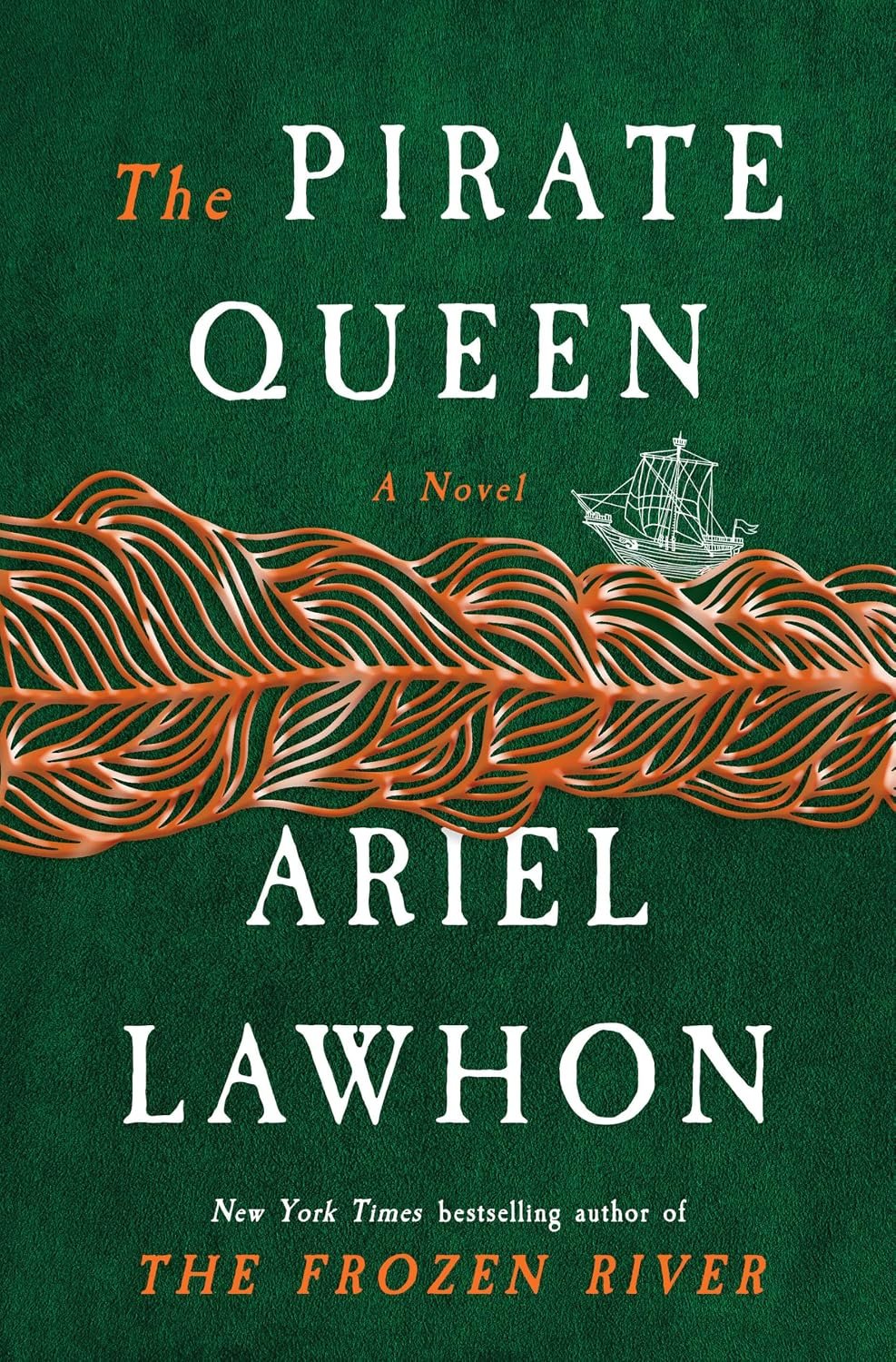
Ariel Lawhon’s novel of Grace O’Malley.
The Pirate Queen is Ariel Lawhon’s novel about Grace O’Malley, the daughter of an Irish chieftain who ends up commanding a fleet. Doubleday published the 528-page hardcover on September 8, 2026, ISBN 9780385550345. The publisher’s story runs from a fostering, to a marriage she does not choose, to the sea, and then to Queen Elizabeth’s pressure on Ireland. Grace is the center. The ships are the plot.
A daughter, a marriage, a fleet
The life the novel is willing to stage
Grace’s assigned role, in the publisher copy, is to secure an alliance and bear children. She is sent to foster with a nearby clan and falls for a second son she cannot have. She is married against her will to a brutal warrior. She does the duty, gathers followers, and consolidates her husband’s power, and is then pushed off his lands. The betrayal is the door back to the sea. She leads clan O’Malley’s fleet. That sequence is the novel’s spine, as the listing tells it.
Independence arrives at the same time as a larger threat. Elizabeth’s incursions into Ireland grow bolder. Grace has to defend land, ships, and the people she loves against English deputies the copy calls cruel and power-hungry. The personal plot and the political plot meet on the water. A pirate queen, in this telling, is not a costume. She is a woman who was refused the marriage she wanted and took the command she was not assigned.
This feature does not invent a battle or a meeting with the queen. The verified offer stops at the fostering, the marriage, the ouster, the fleet, and the English pressure.
The public record is enough to open the book and not enough to finish it. A feature can walk the premise. It cannot pretend a later chapter has already been read, and it will not invent a scene to fill the gap.
Why the sea is the second half
The first half is other people’s decisions. Foster. Marry. Serve. The second half starts when those decisions throw her out. The fleet is the clan’s power, and the novel puts her at the head of it. A historical novel about Grace O’Malley has to earn the title. Lawhon’s publisher earns it with that turn: betrayal, then ships.
Five hundred and twenty-eight pages is a long historical novel. The length fits a life that runs from a girl’s fostering to a woman’s war with deputies. The Frozen River is the earlier book the listing names. A reader does not need it. The Irish coast is the setting this one explains for itself.
The second son is the road not taken. The warrior husband is the road taken. The fleet is the road she makes after both. That triangle is the premise, and it is enough to know who the book is for.
The public record is enough to open the book and not enough to finish it. A feature can walk the premise. It cannot pretend a later chapter has already been read, and it will not invent a scene to fill the gap.
Who it is for
The book is for a reader who wants a historical novel with a woman in command of ships, and who can stand a marriage that is not a romance. It is a poor fit for a reader who wants a treasure-map adventure with no clan politics. The politics are the plot. Elizabeth is the pressure on the horizon.
Doubleday is the publisher. September 8, 2026 is the date. The ISBN is on the listing. Those facts locate the object. The story facts are Grace, the fleet, and the deputies.
I have not read the 528 pages. The verified part worth opening is the ouster that puts her back on the water.
The public record is enough to open the book and not enough to finish it. A feature can walk the premise. It cannot pretend a later chapter has already been read, and it will not invent a scene to fill the gap.
More Journal stories are on the Journal, and other book articles are collected in Book Reviews.
About the book.
Doubleday published The Pirate Queen on September 8, 2026, a 528-page hardcover. Grace O’Malley is fostered, married against her will, pushed from her husband’s lands, and then leads clan O’Malley’s fleet as English pressure on Ireland grows.
A short note
I like that the command arrives as a consequence, not a wish. The part worth opening is the turn: a marriage she did not choose, a push off the land, and the clan’s ships waiting. Lawhon fits the book because the work is already a woman inside a historical trap that she then uses. I have not read the later fights. The fleet is the part I would hand someone first.
This is a sponsored MarketAnyBook book feature. It is a promotional editorial based on the listing and verified public information, not a full-book review. Book links may be sponsored or affiliate links.
Found a book worth opening?
Books worth discovering. Authors worth knowing.
Return to the Journal →