
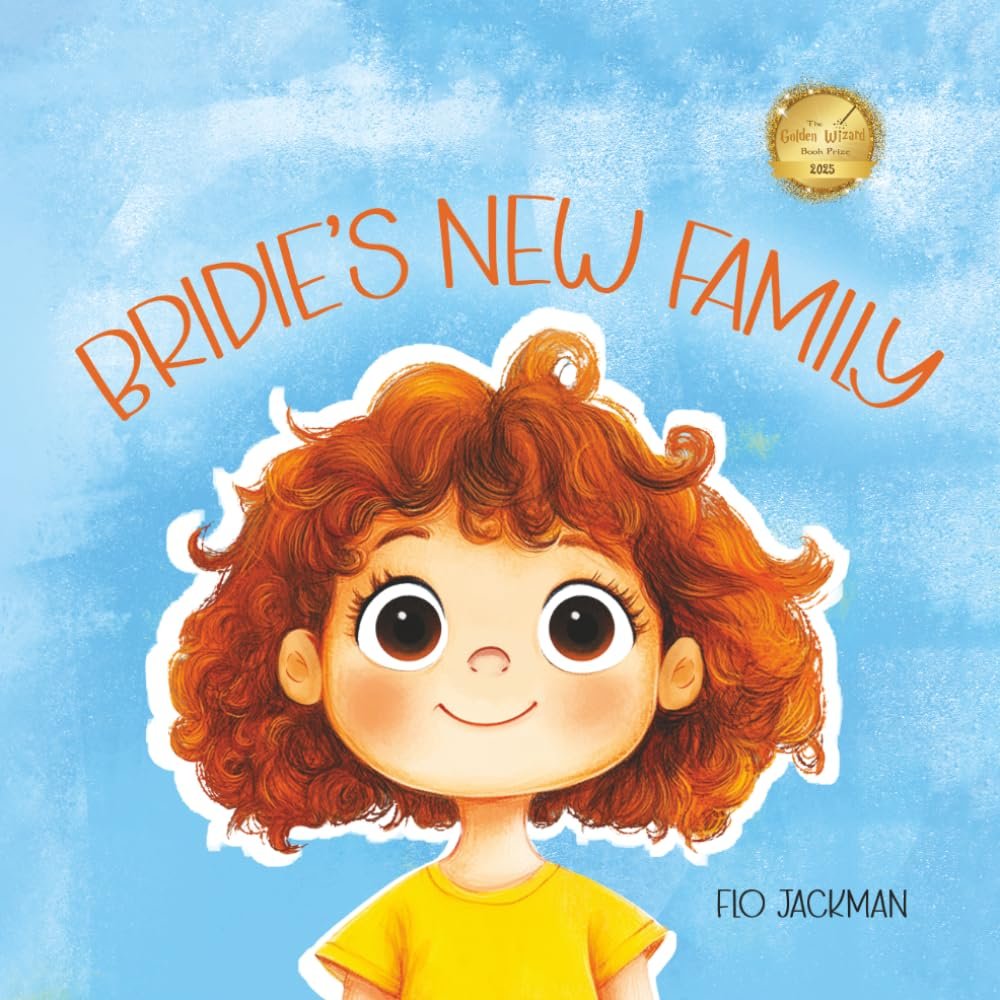
Bridie's New Family
Flo Jackman’s book is described as a gentle story designed to help an adopted child understand their family journey. Its publishing materials place safety, love and a secure sense of belonging at the centre…
Books worth discovering. Authors worth knowing.
Flo Jackman’s book is described as a gentle story designed to help an adopted child understand their family journey. Its publishing materials place safety, love and a secure sense of belonging at the centre, and the author has explained that the story began as something she wrote for her own daughter.
Carefully sourced literary criticism and book-specific interpretation.
Flo Jackman’s book is described as a gentle story designed to help an adopted child understand their family journey. Its publishing materials place safety, love and a secure sense of belonging at the centre, and the author has explained that the story began as something she wrote for her own daughter.
The long work of belonging
A child’s origin story is not simply a set of dates and names. It involves questions about who loved whom, why things changed and what a family can promise in the present. A useful picture book must make room for uncertainty without turning complex histories into frightening mysteries. The subtitle’s modest “begin introducing” is a thoughtful ambition: one reading will not settle every question, nor should it have to.
Avoiding reassurance by decree
Adoption stories are particularly vulnerable to sentimental shortcuts. Insisting that a child feel grateful or immediately secure can diminish the very feelings a book hopes to honour. The better critical question is whether Bridie has permission to wonder, grieve, feel proud and feel confused, sometimes simultaneously. The public description emphasizes reassurance, but readers will need the finished pages to see whether emotional complexity survives the consoling tone.
One family’s story, many families’ histories
The book’s origin in one family is significant and also a limitation. An individual experience may generate the intimacy that makes a story worth sharing; it cannot represent every adoption arrangement or cultural context. Adults selecting the book should consider whether its language fits their child’s actual history and, if necessary, adapt the conversation rather than force a match.
A book for conversation
This seems most useful as a read-aloud held inside an ongoing discussion, not as a replacement for it. The book’s likely strength is its insistence that belonging is experienced in repeated gestures of care. Families and caregivers should approach it as an invitation to talk, with room for the child to lead.
The review’s scope
This assessment is based on the identified bibliographic records and available author, publisher and bookseller descriptions. The interpretive claims above are editorial judgments about the documented premise and genre choices, not testimony to having read every chapter or inspected every illustration. The published text may answer, complicate or contradict the critical questions raised here. A finished review would assess the language, structure and ending directly.
About the book.
The title, author/contributor record, source URL and matching cover file ID come from the current MarketAnyBook Journal Queue and its Drive asset folder. The review considers children’s adoption and family picture book through verified available descriptions rather than firsthand full-book reading.
Unsponsored editorial book review based on publicly available bibliographic and descriptive evidence, with critical interpretation distinguished from verified book details.
Found a book worth opening?
Books worth discovering. Authors worth knowing.
Return to the Journal →