
History' Prime
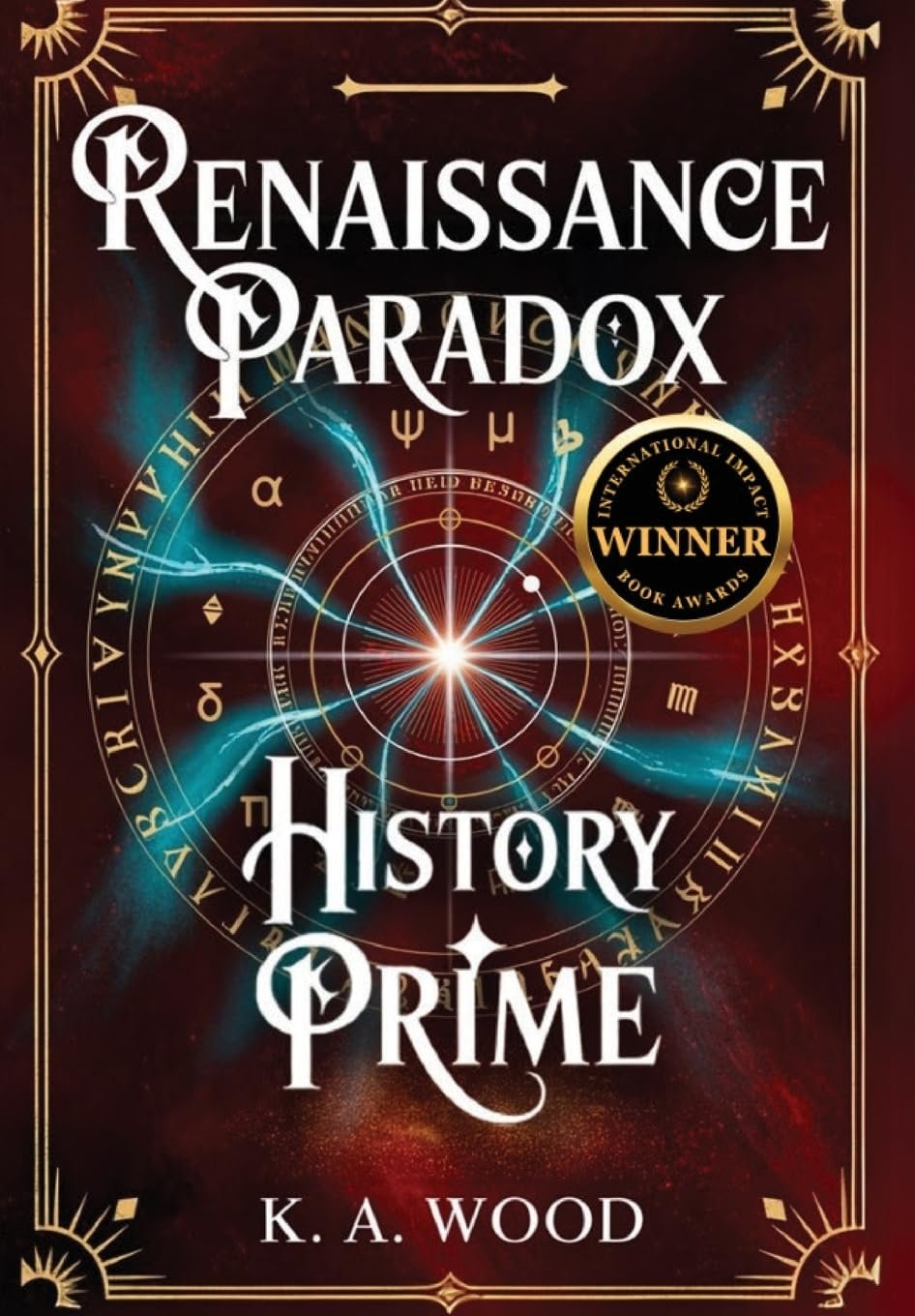
The verified queue identifies K. A. Wood’s title as History' Prime (Renaissance Paradox), but this research pass did not locate a trustworthy description of the exact listed work. The pairing of “history”…
Books worth discovering. Authors worth knowing.
The verified queue identifies K. A. Wood’s title as History' Prime (Renaissance Paradox), but this research pass did not locate a trustworthy description of the exact listed work. The pairing of “history” with “paradox” suggests an interest in competing accounts of the past, yet that is a reading of the title rather than a finding about the book’s events…
Carefully sourced literary criticism and book-specific interpretation.
The verified queue identifies K. A. Wood’s title as History' Prime (Renaissance Paradox), but this research pass did not locate a trustworthy description of the exact listed work. The pairing of “history” with “paradox” suggests an interest in competing accounts of the past, yet that is a reading of the title rather than a finding about the book’s events or characters.
An evocative but unverified title
The title is unusually compressed. “Prime” can mean first, original, superior or a starting condition; each possible sense changes what a reader might expect from a narrative about history. A paradox suggests two propositions that cannot easily coexist. A critic might ask whether the work examines the instability of historical explanation, alternate timelines or a philosophical puzzle—but none of those alternatives can honestly be asserted from the bibliographic evidence available.
The danger of inventing the past
It is tempting to attach the word “Renaissance” to a specific historical period and imagine familiar figures, technologies or cities. That would be invention. The bracketed or parenthetical wording could just as readily name a series or conceptual framework. What the listing establishes is a distinctive title credited to K. A. Wood. It does not establish the narrative’s period, setting or scientific mechanism.
What remains to be established
This matters because the most useful kind of review offers a reader a reliable sense of what a book attempts. Until a publisher description, excerpt or creator statement becomes available, assessment of plotting, research, voice, philosophical coherence and genre convention should remain open. The correct editorial act is to preserve the book’s identity and mark the uncertainty, not to replace missing evidence with polished but ungrounded confidence.
A provisional spotlight
For now, this is a limited-source critical spotlight rather than a finished literary review. Potential readers drawn to the title’s conceptual provocation should consult the original listing or a sample for further detail. An editorial reviewer should request even a short synopsis before approving the article for publication.
The review’s scope
This assessment is based on the identified bibliographic records and available author, publisher and bookseller descriptions. The interpretive claims above are editorial judgments about the documented premise and genre choices, not testimony to having read every chapter or inspected every illustration. The published text may answer, complicate or contradict the critical questions raised here. A finished review would assess the language, structure and ending directly.
About the book.
The title, author/contributor record, source URL and matching cover file ID come from the current MarketAnyBook Journal Queue and its Drive asset folder. The review considers speculative fiction; genre pending confirmation through verified available descriptions rather than firsthand full-book reading. No reliable independent synopsis or full author credit beyond Sheet attribution found. Strong content-level verification hold.
Unsponsored editorial book review based on publicly available bibliographic and descriptive evidence, with critical interpretation distinguished from verified book details.
Found a book worth opening?
Books worth discovering. Authors worth knowing.
Return to the Journal →