
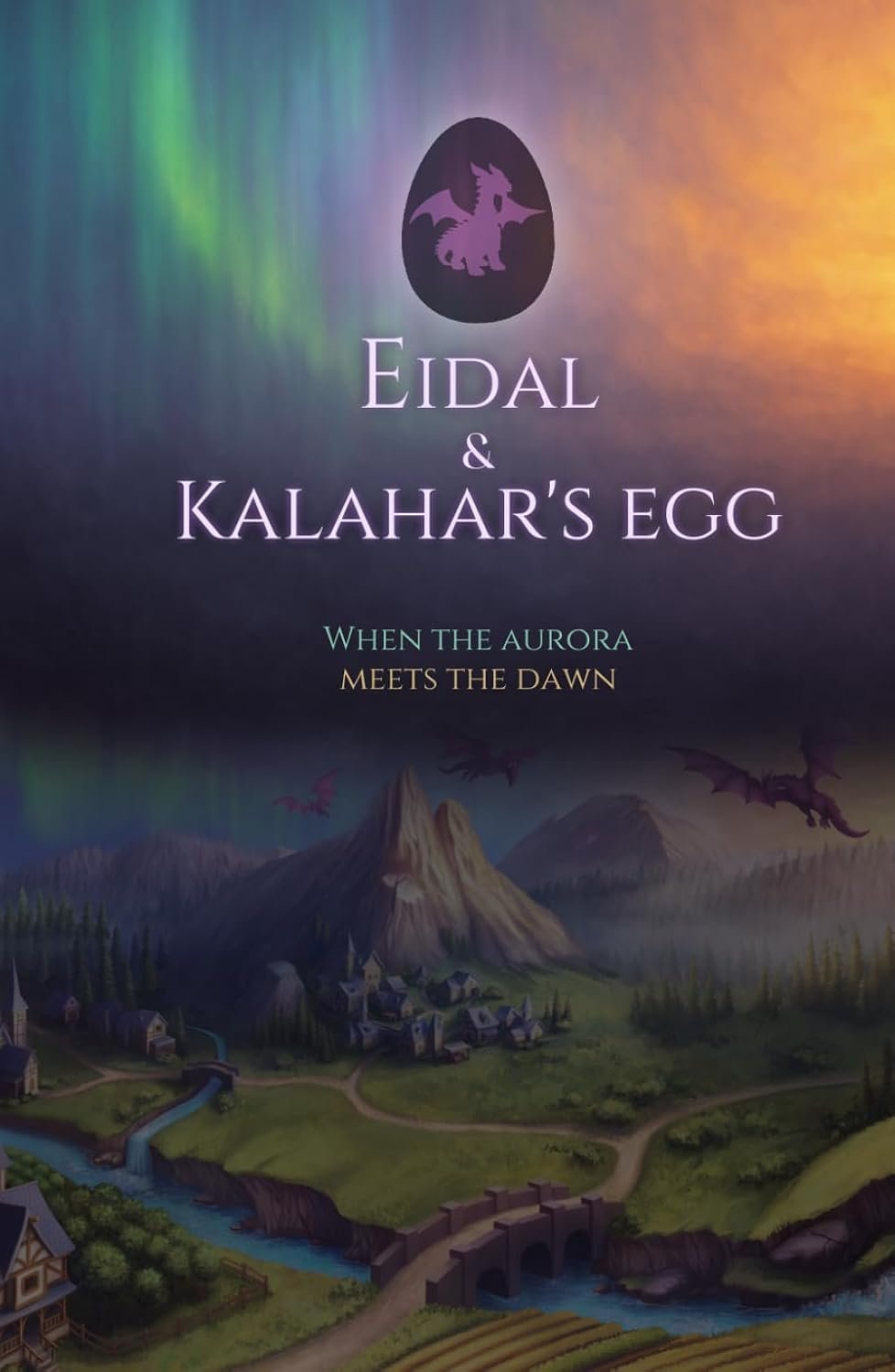
idal & Kalahar's Egg: When the Aurora Meets the Dawn
In Еidal & Kalahar's Egg: When the Aurora Meets the Dawn, the dragon is not simply a creature to defeat or a prize to claim. Public descriptions identify the Fourlands as a place where dragons once…
Books worth discovering. Authors worth knowing.
In Еidal & Kalahar's Egg: When the Aurora Meets the Dawn, the dragon is not simply a creature to defeat or a prize to claim. Public descriptions identify the Fourlands as a place where dragons once lived openly, and Еidal as the figure who still believes people might change enough to welcome them back. That emphasis makes the premise less a…
Considered reviews, grounded in the book’s documented promise.
In Еidal & Kalahar's Egg: When the Aurora Meets the Dawn, the dragon is not simply a creature to defeat or a prize to claim. Public descriptions identify the Fourlands as a place where dragons once lived openly, and Еidal as the figure who still believes people might change enough to welcome them back. That emphasis makes the premise less a conventional hunt for a magical beast than an argument about whether wonder can return to a society that has forgotten how to receive it.
The past that has become improbable
An imagined world often contains a foundational absence: lost magic, a vanished species, a forgotten pact. Here the absence of dragons seems to shape what the inhabitants think possible. That is a useful source of narrative pressure. Recovering a creature is one task; convincing a community it should not repeat old mistakes is another. A story that takes the second challenge seriously can build ethical tension into a familiar fantasy image. The available listing supports the claim that Еidal hopes for a changed human response, but it does not specify the political order of the Fourlands or the history of the dragons' departure.
An egg as a promise with obligations
The egg of the title is an archetype of beginnings. In fantasy it suggests an imminent revelation, but it also denotes fragility and responsibility before power is fully visible. What should a person protect before they know whether the creature that emerges will be safe, dangerous or welcomed? That is a productive reading question, not a confirmed description of particular scenes. The most thoughtful dragon stories resist reducing creatures to either companions that never resist or monsters that cannot change. Their real subject is what coexistence asks of those who claim to desire it.
The significance of the paired names
The conjunction of Еidal and Kalahar in the title invites attention to relationship rather than solitary destiny. Because the accessible synopsis gives little additional information about Kalahar, it would be irresponsible to assign a role, age or motive. Still, a reader can note the framing: the story advertises a bond or a linked mystery, not merely a setting. That is a reason to approach the short work with curiosity about trust, perspective and the difference between a personal hope and a shared undertaking.
A modest scale can be an advantage
The catalog identifies a short work rather than a sprawling epic. Concision can suit a premise shaped like a fable, allowing the moral question to remain clear and the fantastical imagery to do more work. It can also leave worldbuilding underdeveloped if too many historical or political claims are crowded into limited space. Without an excerpt or reliable chapter-level description, one cannot know which effect predominates. This review therefore treats the work's compressed architecture as an opportunity and a potential constraint, not as a verdict on the prose.
Who will value this book
Еidal & Kalahar's Egg is best considered by readers who appreciate hopeful dragon fantasy and mythic questions about reconciliation between people and other beings. The opening premise is distinctive enough for a serious short review, but characterization, style and the actual central relationship remain unverified from public sources. The later queue listing MAB-2648 should be checked against this edition before publishing a second post.
Scope of this assessment
This is a research-based editorial review drawn from identified bibliographic, author and publisher sources. It considers the work’s documented premise and the critical questions it invites, without claiming a complete firsthand reading. No unverified scene, character action or ending is asserted.
About the book.
An evidence-bounded critical introduction to short-form dragon fantasy and imaginative adventure. Published descriptions support the stated premise; interpretations are identified as editorial analysis, not confirmed plot details.
This review concerns a book marked sponsored in the current MarketAnyBook queue. Sponsorship is disclosed, and all observations remain research-based. Title begins with a non-ASCII Е in some retailers; Sheet Column F spells idal. Verify actual cover lettering and canonical edition before publishing.
Found a book worth opening?
Books worth discovering. Authors worth knowing.
Return to the Journal →