
Beware of the Wind and the Darkness
A Southwestern landscape and the responsibilities of turning fascination into fiction.
Books worth discovering. Authors worth knowing.
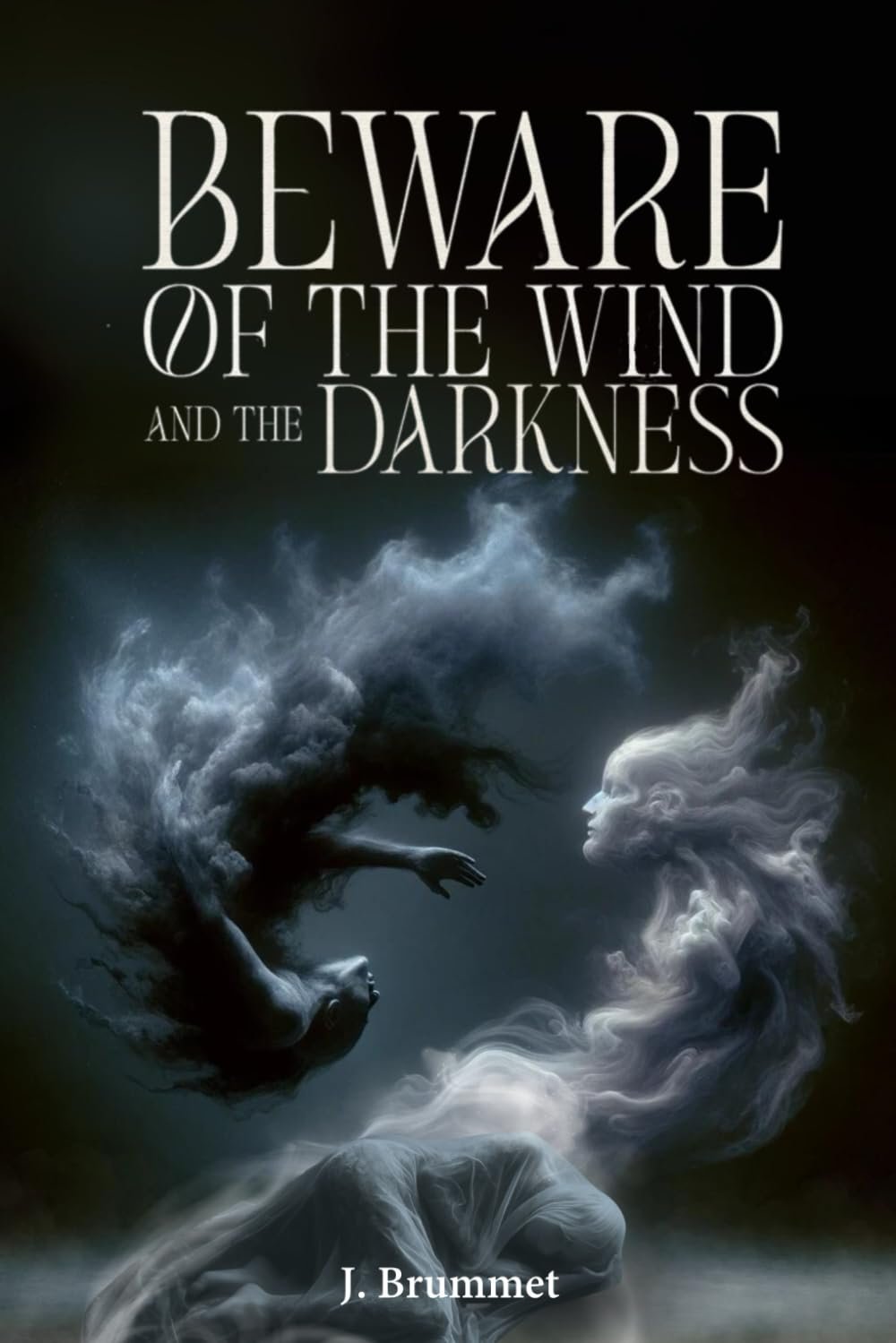
Jeanne Brummet’s Beware of the Wind and the Darkness is tied in the author’s public literary-fair biography to a long fascination with Chaco Canyon and the cultures of the American Southwest.
An original critical assessment, grounded in verified public book descriptions.
Jeanne Brummet’s Beware of the Wind and the Darkness is tied in the author’s public literary-fair biography to a long fascination with Chaco Canyon and the cultures of the American Southwest.
A title that refuses a simple horizon
Jeanne Brummet’s Beware of the Wind and the Darkness is tied in the author’s public literary-fair biography to a long fascination with Chaco Canyon and the cultures of the American Southwest. That biographical evidence is useful, but limited. It establishes the creative starting point and an intention to encourage interest in Native American cultures; it does not disclose a verified chapter-by-chapter plot, narrator, chronology or ending. Even the work’s suggestive title must not be mistaken for a full synopsis. An honest editorial response begins from that distinction. The words “wind” and “darkness” evoke both the physical force of a landscape and the uncertainty of entering histories one cannot simply possess. As an interpretive invitation, that is compelling. As a claim about unseen scenes, it would be irresponsible.
Landscape is never empty
Writing about Chaco Canyon entails particular obligations because it is not merely an evocative location for mystery. The region has a history and living cultural meanings connected to Indigenous communities. Stories that use such settings can illuminate complex connections among place, memory and belief; they can also turn a particular landscape into a generic stage for outsiders’ spiritual discovery. Brummet’s biography says she pursued research and developed a serious interest in Native American cultures. That commitment is relevant without being decisive evidence about her portrayal. The questions a careful reader should ask are whose perspectives enter the work, how the story acknowledges living communities, and whether curiosity is accompanied by specificity. The review does not assume that any particular answer is present in the book.
The craft of atmosphere, and the danger of overclaiming
Wind can make a setting dynamic even when nothing else moves; darkness can hide detail but also invite attention to sound and distance. These are familiar tools of atmospheric writing, and Brummet’s chosen title invites the reader to anticipate them. Yet a critic cannot credit vivid description merely because the jacket suggests it. Assessment of pacing, character development and narrative voice requires prose or a reliable excerpt. In the absence of that evidence, the fair approach is to ask what the proposed setting offers: an opportunity to explore how people encounter unfamiliar ground, how fear can distort perception, and how research might become narrative rather than remain information on display. Those questions are editorial interpretation, not a reported reading experience.
The human scale of research
The author’s account of her route to the novel is modest and revealing. A picture of Chaco Canyon apparently began the curiosity that eventually led to a book, and her biography connects the project to a working life among people of different backgrounds. That path suggests a writer attentive to the surprising ways interests develop, though it does not prove the same sensitivity appears in every passage. A successful work shaped by research has to make knowledge felt through people and stakes, not merely announce it. Another challenge is to resist treating a place of real cultural significance as the writer’s private discovery. These are unusually important criteria for this subject, and readers who care about regional and Indigenous representation should keep them in view.
An invitation, with reservations
This title may appeal to readers interested in fiction connected to the Southwest, landscape-driven atmosphere and stories born from historical curiosity. It should not be described more precisely as a thriller, historical romance or supernatural narrative without a verified description establishing that classification. Anyone seeking a documented history of Chaco Canyon or Indigenous traditions should turn to reliable scholarly and community-led sources instead of assuming a novel supplies them. The book has a distinctive research origin, but the public evidence available here does not support a definitive judgment of narrative achievement. Its inclusion as a local review draft, rather than a purported full critical verdict, is the responsible way to honor the work and its subject.
About the book.
This review examines the documented premise and its critical implications; literary execution cannot be completely assessed without a full text.
Sponsored book review, identified according to the MarketAnyBook queue. Based on publicly accessible descriptions and bibliographic evidence; it is not a claim of full-book firsthand reading. Assessments of unverified interior craft are withheld.
Found a book worth opening?
Books worth discovering. Authors worth knowing.
Return to the Journal →