
The Seventh Symbol
Chosen-one fantasy becomes most interesting when the chosen person has been taught she is worthless. Michelle Sanchez’s The Seventh Symbol , the first book in the.
Books worth discovering. Authors worth knowing.
Chosen-one fantasy becomes most interesting when the chosen person has been taught she is worthless. Michelle Sanchez’s The Seventh Symbol , the first book in the.
Evidence-conscious literary criticism, not a claim of firsthand full-text reading.
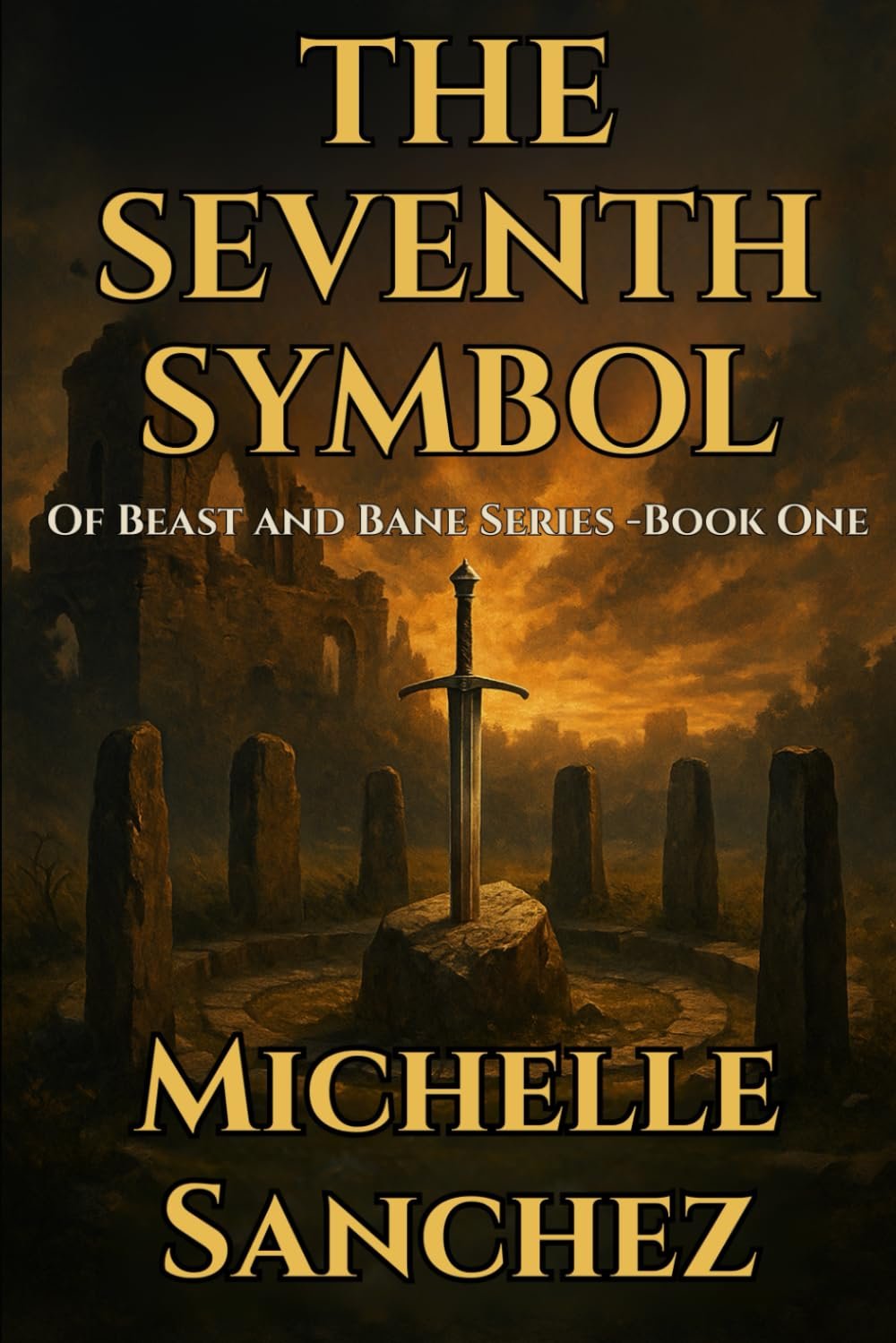
Chosen-one fantasy becomes most interesting when the chosen person has been taught she is worthless. Michelle Sanchez’s The Seventh Symbol, the first book in the Of Beast and Bane series, introduces Amelin as a girl growing up under the cruelty of her great-aunt Drucilda and the contempt of a village that fears magic and dragons. According to the public synopsis, a flight into the Forest of Secrets leads to a sword bearing mysterious runes and to a dragon egg from which Valmyr emerges. The destiny that follows is marked not merely by power but by a relationship.
Power recognized from outside The premise gives Amelin two forms of recognition. The sword identifies her through a symbol that appears on her skin; the dragon chooses her through a living bond. Both experiences contradict the judgement of the people who have defined her childhood. This is familiar fantasy architecture, but it can carry genuine emotional force when recognition does not instantly erase learned fear. An abused protagonist may have the means to act before she believes she deserves to do so. That gap can make the discovery of power something more intimate than an upgrade in abilities.
The stated mystery of her parents also brings lineage into the story. Fantasy often treats bloodlines as keys to legitimacy, yet the book’s promotional language explicitly questions a world governed by them. It may therefore face an interesting contradiction: if Amelin’s claim rests on an inherited destiny, can the narrative also argue that worth does not depend on birth? That question is a critical possibility suggested by the setup, not a conclusion about the eventual resolution.
A dragon as an ethical relationship Valmyr’s emergence from an egg gives the heroine responsibility for another vulnerable being at the moment she is discovering her own significance. The series promise stresses protection rather than destruction. This distinction matters because dragon stories sometimes reduce the creature to an impressive weapon or a symbol of its rider’s exceptionalism. A genuine bond would require attention to the dragon’s needs, independence and danger as well as the magical prestige it brings.
The published synopsis places hunters and fearful villagers around the pair. Suspicion of magic creates a social conflict beyond the protagonists’ immediate survival. An effective fantasy novel might ask why a community fears what it has not understood, how legends acquire authority and what happens when those legends are disproved. Amelin could become powerful enough to dominate those around her, but the more compelling question is whether she can resist reproducing the cruelty she inherited.
The trouble with destiny The Seventh Symbol is presented as a marker of forgotten fate. In chosen-one stories, destiny is both a narrative convenience and a threat to freedom. It gives the plot direction, yet risks making courage less meaningful if outcomes are predetermined. Sanchez’s material establishes a trial involving fire, shadow and the bond between girl and dragon; it does not establish how freely the heroine chooses that trial. Readers should watch for decisions that cost her something rather than simply reveal abilities she was always meant to possess.
As the opening of a saga, this volume also has to establish enough of the world to make future installments welcome. Forest, village, magical objects and a larger structure of persecution all appear in the description. Their potential lies in how they intersect through character choices, not merely in how many names or ancient secrets can be introduced. A distinctive series voice would emerge from the emotional particulars of Amelin’s transformation rather than a catalogue of fantasy lore.
The politics of being chosen Amelin’s marginalization introduces a danger that is not solved by discovering magic. A society that called one child worthless may simply decide she is valuable after learning that she possesses exceptional power. That would leave the deeper system of judgment intact. A more ambitious fantasy could challenge the premise that a person’s right to dignity depends on being extraordinary. The synopsis’s language of protection rather than destruction hints at a response: Amelin’s choices might matter most when she defends others who have no remarkable destiny to reveal.
The dragon bond can make that ethical question tangible. Valmyr is not simply proof that Amelin is important; he is a living creature with whom she must develop trust. The responsibility of caring for him may teach something that the sword’s apparent recognition cannot: power entails obligations toward beings who cannot be reduced to symbols of prestige. Readers should look for whether the novel gives the dragon a presence of his own, even when the narrative is centered on Amelin.
The forest as a place of uncertain freedom The Forest of Secrets is introduced as both refuge and danger. Such locations are common in fairy-tale traditions because they exist outside the reach of familiar social authority. A child escaping cruelty can find room to redefine herself there, but the freedom comes without guarantees. The synopsis places hunters and hostility near the heroine, which means the journey is not simply a flight from bad people into a benevolent wilderness. The environment could become a testing ground for courage and judgment, provided it is rendered as a place with genuine consequences.
The series opening must also decide how much prophecy to explain. Too little context can make symbols feel arbitrary; too much can make the central mystery inert. The Seventh Symbol’s runes and legacy invite curiosity. Their true significance will carry emotional weight only if discovering them changes what Amelin understands about responsibility, not merely what her enemies understand about her power.
Readers invited into the world The book looks suited to lovers of dragon bonds, magical inheritance, young protagonists and emotionally charged fantasy about acceptance. The early cruelty in Amelin’s life may be relevant to sensitive readers, while the available descriptions leave the degree of violence and other content details uncertain. Someone looking for radically experimental fantasy may find its chosen-one apparatus familiar; someone who values its emotional possibilities may see that familiarity as an invitation.
The synopsis supplies a solid account of the book’s situation, but not a basis for judging dialogue, prose or final payoff. The most promising idea in The Seventh Symbol is the tension between being pronounced insignificant and being made responsible for another life. If the novel earns that responsibility through choices rather than prophecy alone, its familiar fantasy materials could carry a moving argument about what power is for.
About the book.
The title, contributors, routing category, original retailer link and unique Drive image file were checked against the live queue. The review is based on publicly available evidence and original editorial analysis.
This is an unsponsored editorial book review. This research-based critical review interprets the verified book listing and available external descriptions; it does not claim a complete reading.
Found a book worth opening?
Books worth discovering. Authors worth knowing.
Return to the Journal →