
The Soul Up North
A soulmate-mark fantasy about seven days, impending loss and the limits of devotion.
Books worth discovering. Authors worth knowing.
A soulmate-mark fantasy about seven days, impending loss and the limits of devotion.
Research-based literary perspective on a verified edition.
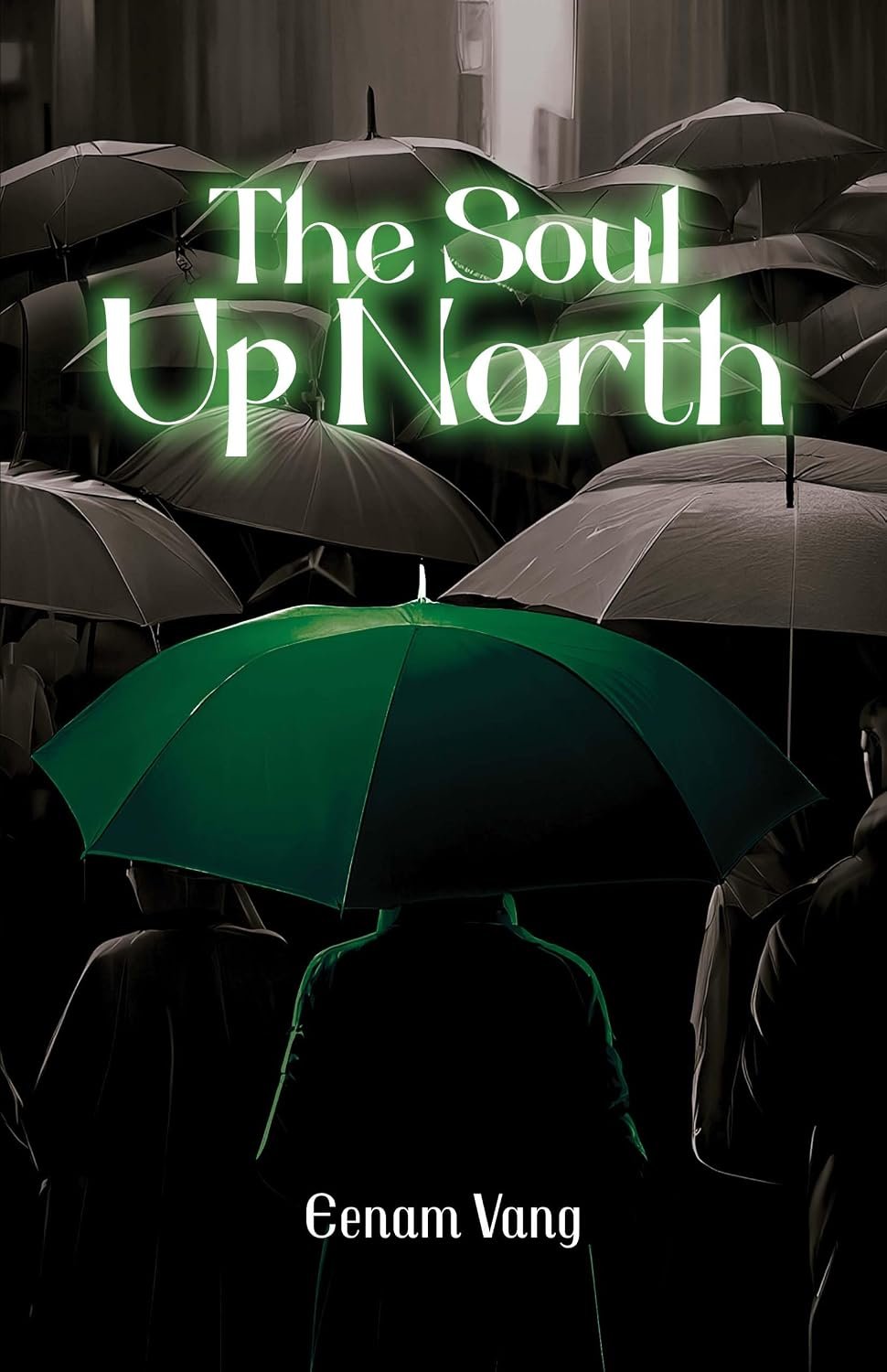
In Eenam Vang’s The Soul Up North, love is not merely an emotion. It is marked on the body, counted against time and threatened by an approaching loss. The publisher describes a society where an S-shaped wrist symbol reveals soulmate bonds. A glowing red mark indicates connection, while a fading mark on the other wrist signals death. Jack Spade encounters Jade Hearts and faces a seven-day deadline before a mark turns black. The setup is romantic fantasy, but its emotional pressure is immediately understandable. What would people do if their most intimate relationship seemed governed by a visible countdown, and how much of love could remain free when fate appeared to announce an ending in advance?
When feelings become visible
Fantasy often turns private experience into a public sign. A mark on the wrist can make love seem certain, measurable and almost administrative. In everyday life, people rarely receive such declarations from an external system. They interpret affection through speech, behaviour and the uncertain act of trusting another person. The soulmate symbols in Vang’s described world remove one kind of ambiguity while introducing another: knowing that a bond exists does not reveal how two people should live within it, whether they choose each other freely, or what responsibility either bears.
The symbols may also sharpen a familiar social dilemma. If everyone believes a mark signifies the right partner, a person who feels uncertain may have difficulty challenging the system. Predestination can offer reassurance, but it can also create pressure to conform. The public description does not define every rule of the marks or how society enforces them, so the details remain open. Yet the central device provides a rich reading lens: the tension between a love said to be written on the body and a love that must still be practised through daily choices.
Seven days, and the compression of a life
Time limits can transform narrative energy. An open-ended relationship allows room for gradual understanding; a seven-day deadline magnifies every conversation and omission. In the publisher’s account, Jack meets Jade while confronting a mark that will soon turn black. The story is described through grief, betrayal, denial and the emergence of secrets. Rather than assuming a specific sequence of twists, readers can attend to the effect of the countdown itself. When time appears scarce, people may speak too quickly, postpone what matters or cling to experiences they fear they are about to lose.
Such an arrangement also invites a difficult distinction between urgency and intimacy. A short span of intense emotion can feel profound without necessarily producing full knowledge of another person. The promise of fate may magnify that illusion. Jack’s struggle, as publicly framed, involves fragments of another life and painful discoveries. A thoughtful reading can ask whether the novel distinguishes the desire to preserve a connection from the willingness to see the other person clearly. The latter is often harder, especially when revelation arrives just as loss becomes unavoidable.
The unsettling presence of death
Death in the book’s described world has a visible relationship to romantic destiny. This may be a supernatural premise, but it reflects a recognizably human fear: the person we love is separate from us and cannot be protected by devotion alone. Romantic fiction sometimes treats sufficient feeling as a force capable of defeating every obstacle. A story that places mortality at the centre can challenge that expectation. Even when love carries extraordinary significance, it may not provide control over time.
Vang’s publisher identifies acceptance and the reality of despair among the book’s themes. Acceptance should not be mistaken for passivity or a simple decision to stop grieving. It can mean acknowledging what is known while continuing to care, or recognizing that an ending does not erase the meaning of what preceded it. Fiction gives such experiences a form that readers can examine from a little distance. Jack’s wrist symbol is impossible in ordinary life, but the helplessness it represents is not. Its imaginative power comes from making uncertainty physically visible.
Secrets and the problem of knowing someone
The public synopsis says that Jade’s secrets begin to unfold and Jack struggles to hold onto his side of the universe. This gives the plot a second kind of suspense alongside the deadline. The relationship is threatened not only by what may happen, but by what has not yet been understood. Love can create a belief that proximity guarantees knowledge. In reality, people remain complex, and some parts of a life may be inaccessible to a partner until circumstances force them into view.
A secret in fiction is useful when its revelation changes the reader’s understanding of earlier choices, not merely when it provides a surprise. Readers can watch for whether the novel treats disclosure as a breach of trust, an act of courage, a necessity or some combination of these. The description does not identify the secrets, so naming them would be invention. Their dramatic existence is enough to place questions of honesty and autonomy near the heart of the story. A soulmate label cannot by itself replace the work of learning who someone is.
Romantic fate versus personal agency
The premise raises a philosophical question without requiring readers to adopt one answer: does destiny make a relationship more meaningful, or does meaning come from the choices people make inside conditions they cannot control? Jack is born into a society that interprets love through signs, while his story appears to challenge his confidence in what those signs promise. A narrative like this can allow fate and agency to remain in productive tension. Characters may be unable to choose their circumstances while still choosing how to respond.
That difference matters in relationship fiction. A declaration that two people are “meant to be” can sound romantic, yet it should not excuse coercion or erase consent. Readers can appreciate the metaphoric force of a soulmate system while asking whether the characters treat one another as independent people. In the most compelling stories about destiny, the supernatural architecture throws human decisions into sharper relief. The marks may tell the protagonists something significant, but they should not automatically settle every moral question the relationship creates.
The North as emotional direction
The title’s reference to the North suggests orientation, distance and the act of searching for a place of steadiness, although the public synopsis does not establish a literal journey northward. It would be inappropriate to invent locations from the title alone. As an editorial image, however, “up north” can evoke a direction taken when ordinary coordinates no longer feel reliable. The book’s central themes—acceptance, despair and the struggle to love after loss—make that image resonant. People in grief may need not a map back to an earlier life, but a way to inhabit a life that has changed.
The most useful way to test this interpretive possibility is to read for the relationship between the fantasy rules and the emotional world. Does the story’s supernatural system help readers experience Jack’s uncertainty, or merely tell them what to believe? Is the ending described by other readers as bittersweet because hope is restored, or because hope is redefined? Such questions belong to the act of reading, not to an unsourced assertion about the final pages.
Who may want to read it
The Soul Up North is suited to readers of romantic fantasy who like a strongly imagined premise tied to grief, loyalty and the fear of losing someone. Its seven-day urgency may particularly appeal to those who enjoy emotionally concentrated narratives, while the soulmate-mark device will interest readers who like fantasy worlds built around familiar feelings made concrete. The publisher emphasizes acceptance and despair, so readers seeking only lighthearted romance should approach with that expectation in mind. The verified synopsis supports dark-romantic stakes and a hopeful possibility, but not specific claims about how every plot development resolves. Readers who enjoy discussing the difference between fate and choice may find this book especially inviting.
Eenam Vang’s official author site and Atmosphere Press describe the same key characters, symbols and countdown. This feature relies on that material, not a claim to personal reading. The result is an accessible invitation to a story where the most haunting question may not be whether love can outlast death, but how a person learns to love without believing that love guarantees control.
About the book.
A soulmate-mark fantasy about seven days, impending loss and the limits of devotion. The purchase link preserves the original listing in the queue.
This is an independent research-based editorial introduction, not a claim to firsthand reading or a personal review of the full book. Sources comprise publicly available publisher, retailer or bibliographic descriptions and the verified queue and cover; detailed interior content has not been independently examined.
Found a book worth opening?
Books worth discovering. Authors worth knowing.
Return to the Journal →