
Under the Seal of Silence
In Under the Seal of Silence, the most threatening inheritance is not money but an obligation the heirs never agreed to make. David Ramos belongs to a wealthy engineering dynasty burdened by a blood…
Books worth discovering. Authors worth knowing.
In Under the Seal of Silence, the most threatening inheritance is not money but an obligation the heirs never agreed to make. David Ramos belongs to a wealthy engineering dynasty burdened by a blood oath and a curse. Isabella Yilmaz, a young NYU student whose creative intelligence is connected to design, enters his world as supernatural signs begin to…
Considered reviews, grounded in the book’s documented promise.
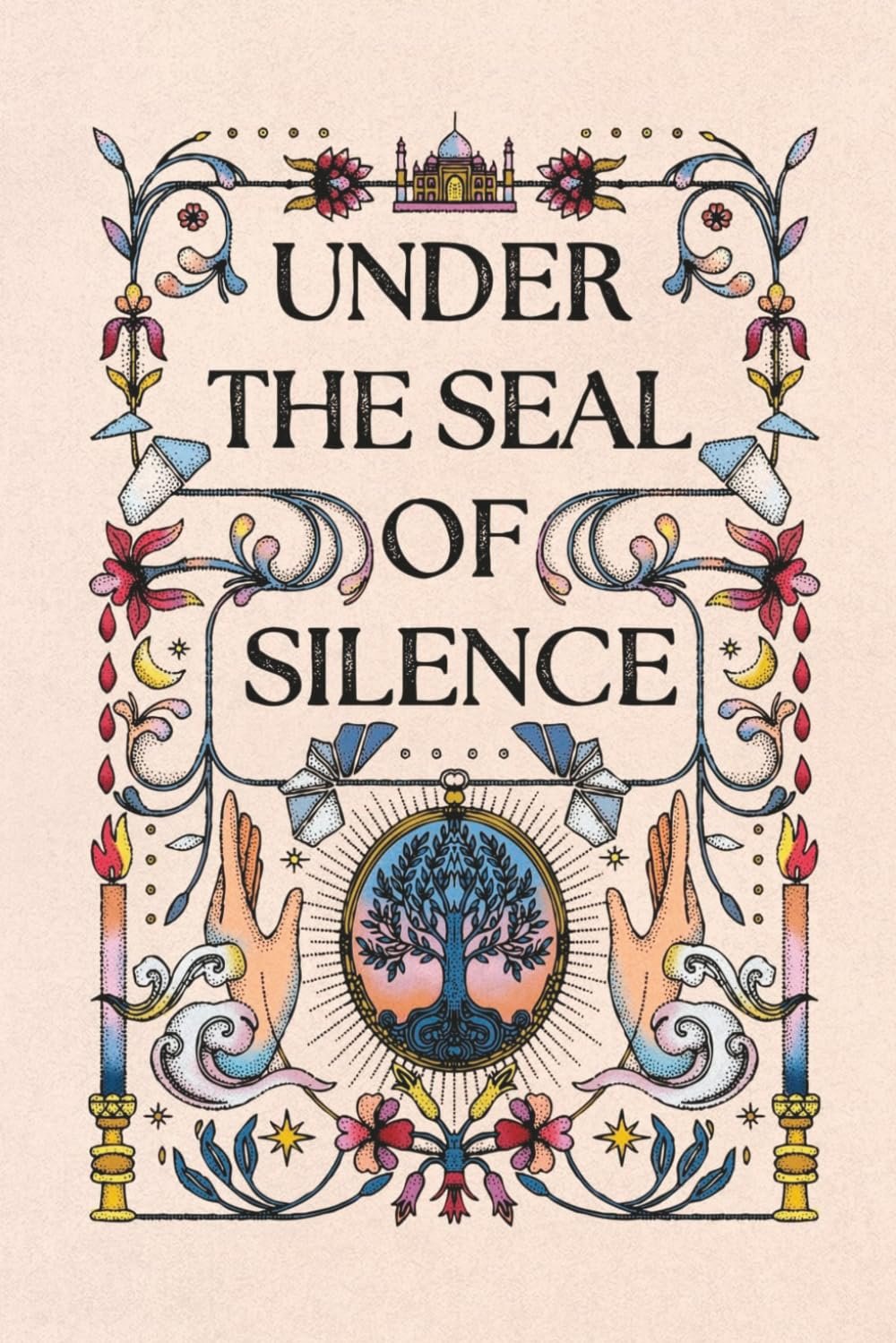
In Under the Seal of Silence, the most threatening inheritance is not money but an obligation the heirs never agreed to make. David Ramos belongs to a wealthy engineering dynasty burdened by a blood oath and a curse. Isabella Yilmaz, a young NYU student whose creative intelligence is connected to design, enters his world as supernatural signs begin to encircle her. The publicly available synopsis positions their attachment between romance and danger: an intimate choice may reopen an ancestral debt. The central attraction is not simply that their love is forbidden, but that apparently private desire becomes entangled with a family’s concealed system of power.
Inherited obligation as the real antagonist
The Ramos family’s material success contrasts sharply with its spiritual liability. A fortune can pass from one generation to the next without the consent of its beneficiaries, and the curse literalizes the morally dubious idea that descendants should pay for their ancestors’ bargains. Such a premise can dramatize familiar concerns about dynastic privilege: power never arrives without conditions, though the recipients may discover those conditions too late. A nuanced romance must resist treating the family legacy as mere decoration for a beautiful heir. It should ask whether David’s protection of Isabella is care or an extension of the same controlling habits he has inherited. The synopsis supports the presence of the oath, not the precise answer.
Design as a mode of perception
Isabella’s talent for perceiving spaces differently is a promising detail. Fantasy often gives protagonists vague gifts of intuition, but an interest in design could make her alert to patterns, structures and concealed connections that others overlook. It also provides a useful counterpoint to David’s engineered world: he inherits a system; she notices how systems might be built otherwise. That is an interpretive possibility rather than a documented scene-by-scene feature. What matters critically is whether her intelligence creates action and consequence, instead of allowing the plot to turn her into a passive object of supernatural pursuit. The source synopsis identifies her as brilliant and ambitious, inviting precisely this test of agency.
Romance in a field of unequal power
Wealth and age may not be the whole inequality here. David knows more about his family’s buried history, while Isabella becomes marked by forces she cannot interpret. Their attraction therefore involves an information imbalance. Suspense requires withholding knowledge from the reader; compelling relationships require recognizing the cost of withholding it from a partner. The best version of this kind of story uses revelation to transform both characters, rather than merely to excuse secrecy. Public descriptions emphasize the danger of their connection, but do not establish how sensitively the eventual text negotiates consent, disclosure and choice. Readers should consider those as critical questions, not promises.
When mythology asks for payment
The publisher’s summary frames the ancient oath in the vocabulary of debt, sacrifice and rebirth. Those motifs can give paranormal romance a moral dimension. If breaking a curse requires someone to suffer, the resolution asks who is treated as expendable and why. A narrative could challenge the original bargain or reproduce it in more sentimental terms. The title’s “seal” suggests the violence of silence itself: generations remain protected by refusing to name a wrong. The novel’s tension lies in whether love can break a pattern without denying responsibility for what preceded it. The provided synopsis asks a version of this question, while leaving the answer deliberately unrevealed.
A genre hybrid with exacting demands
Psychological suspense requires credible motives; paranormal romance permits realities that cannot be explained by ordinary evidence. Combining them can intensify uncertainty, but it can also allow magic to solve problems that psychological scenes have not earned. Here the multigenerational curse and Isabella’s growing danger provide a plausible bridge between the two modes. The novel will persuade most fully when supernatural rules remain comprehensible and the emotional stakes do not evaporate at the first revelation. The public description establishes the hybrid architecture; it does not enable a responsible judgment about its pacing, dialogue or final twist.
The architecture of secrecy
A sealed family oath is an especially apt device for suspense because it turns inheritance into a system with hidden rules. The romance can then unfold as a debate over which rules may be challenged. If the curse functions only as a device for forbidding love, it risks feeling ornamental. If it governs wealth, loyalty, protection and the distribution of danger, it could give each decision a consequence beyond the couple. David’s engineering dynasty makes this contrast suggestive: the family is publicly associated with creating structures, while privately trapped in one it cannot openly describe. Isabella’s skill with spatial design offers a possible alternative imagination. The full novel must determine whether this parallel becomes substantive or remains a striking element of its promotional premise.
A heroine needs a choice that matters
In romance driven by a prophecy, a heroine can be called extraordinary while being given very little actual freedom. Strange markings and escalating pursuit may make Isabella appear central, but centrality is not agency. The decisive test is whether her decisions alter the possibilities available to David and the other characters. Similarly, an informed approach to the relationship should distinguish a partner’s protection from the withholding of choices that partner has a right to make. Those questions are particularly important when one person knows more about the supernatural threat. The synopsis does not reveal how the novel handles consent or risk. Its premise nevertheless offers the materials for a romance in which loyalty is earned through truthfulness rather than demanded by destiny.
Who will value this book
Readers of high-stakes paranormal romance, generational secrets and psychological suspense may be drawn to the combination of New York privilege and an ancient blood obligation. The research record confirms the central names and premise but not the exact resolution. Authorship is jointly credited in the queue and varies across retail display fields, so final contributor order should be checked against the selected edition.
Scope of this assessment
This is a research-based editorial review drawn from identified bibliographic, author and publisher sources. It considers the work’s documented premise and the critical questions it invites, without claiming a complete firsthand reading. No unverified scene, character action or ending is asserted.
About the book.
An evidence-bounded critical introduction to paranormal romance and psychological suspense. Published descriptions support the stated premise; interpretations are identified as editorial analysis, not confirmed plot details.
This is an unsponsored, research-based editorial review, not a claim to firsthand reading of the complete book. Retail metadata ambiguously credits Celeste Moray versus Shawna Brundidge; preserve the queue’s contributor value and verify the imprint/author line before publishing.
Found a book worth opening?
Books worth discovering. Authors worth knowing.
Return to the Journal →